

تاريخ الأنمي

📝 Ali Baqer - علي باقر
الأنمي، وهو شكل فني فريد ومحبوب، أسَر قلوب الملايين حول العالم. ما بدأ كفن مميز في اليابان أصبح اليوم ظاهرة عالمية، تؤثر ليس فقط في البرامج التلفزيونية والأفلام، بل أيضاً في الموضة والموسيقى وحتى الثقافة بشكل عام. ولكن كيف تطور الأنمي ليصبح ما نعرفه ونحبه اليوم؟ دعونا نستعرض تاريخ الأنمي الغني ونستكشف جذوره ونموه وتأثيره على العالم
Anime, a unique and beloved art form, has captured the hearts of millions around the world. What began as a distinctive style of art in Japan has now become a global phenomenon, influencing not only television shows and films but also fashion, music, and even culture as a whole. But how did anime evolve into what we know and love today? Let’s explore the rich history of anime, and discover its roots, growth, and impact on the world
البدايات المبكرة من 1900 إلى 1950
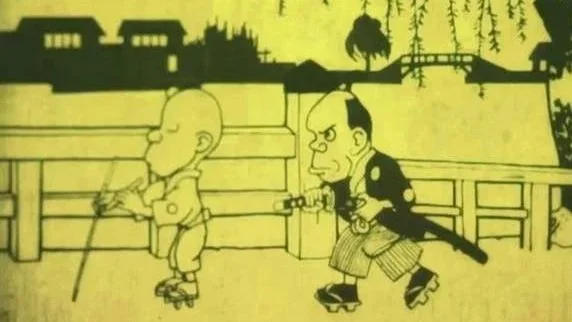
يمكن تتبع أصول الأنمي إلى أوائل القرن العشرين. ففي عام 1917، تم إصدار أحد أقدم أفلام الرسوم المتحركة في اليابان بعنوان نَمَاكُورا كاتانا (السيف الباهت)، والذي أخرجه جونيتشي كوتشي. خلال ثلاثينيات وأربعينيات القرن العشرين، بدأت استوديوهات الرسوم المتحركة اليابانية في تجربة تقنيات مختلفة لإنتاج أفلام قصيرة، رغم أن تطور هذا المجال كان محدوداً خلال فترة الحرب العالمية الثانية
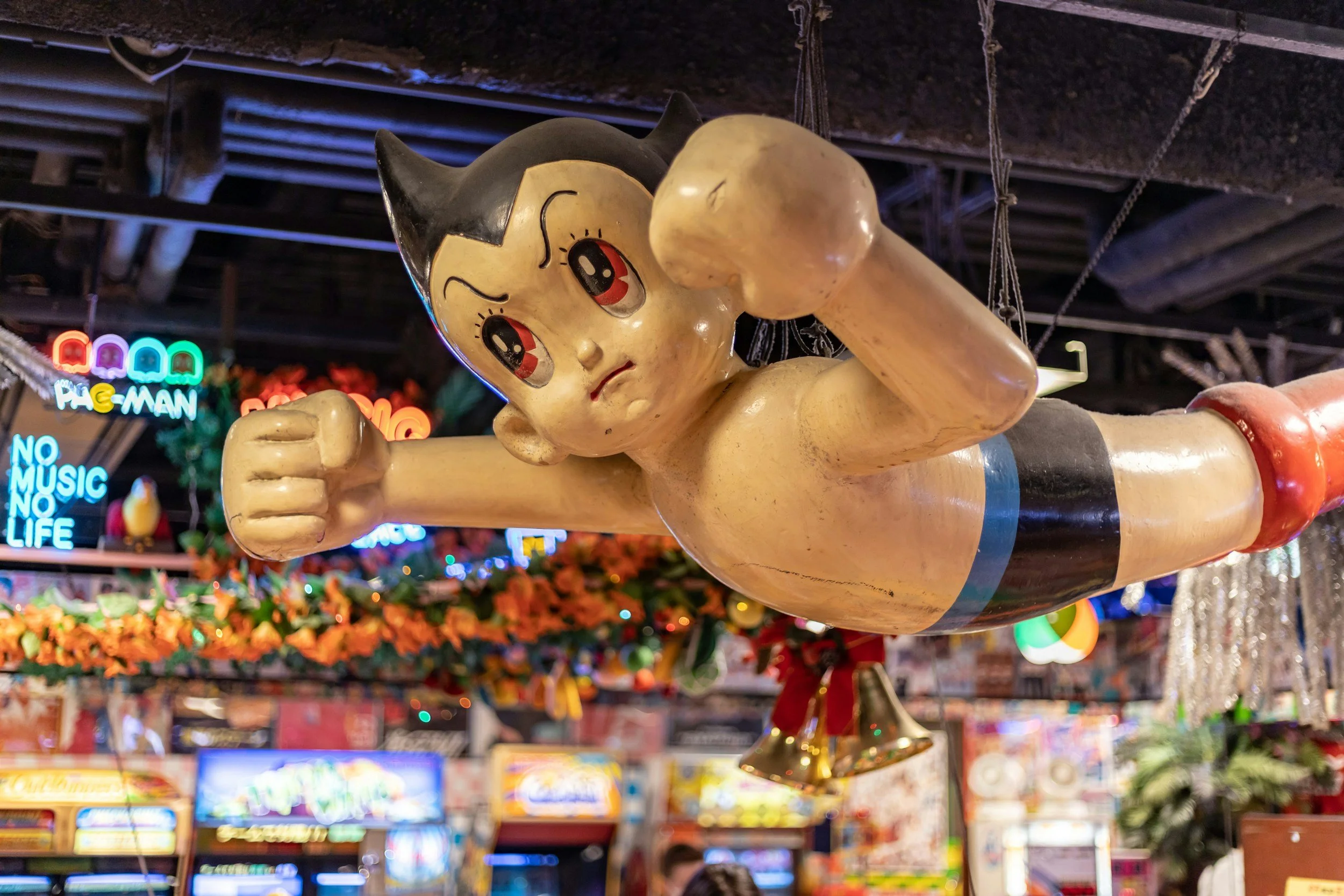
بعد الحرب، شهدت اليابان تغيّرات ثقافية واجتماعية كبيرة، وبدأت صناعة الرسوم المتحركة في النمو بشكل ملحوظ. وظهر في هذه الفترة رواد مؤثرون مثل أوسامو تيزوكا، الذي يُعد من أهم الشخصيات في تاريخ المانغا والأنمي، حيث كان لأسلوبه الفني تأثير كبير على الشكل البصري والسردي لهذا المجال. ومع إصدار أسترو بوي عام 1963، وهو من أوائل مسلسلات الأنمي التلفزيونية الناجحة وطويلة العرض، بدأت أسس الأنمي الحديث تتشكل بشكل واضح
EARLY BEGINNINGS FROM 1900 TO 1950
The origins of anime can be traced back to the early 20th century. In 1917, one of the earliest animated films in Japan was released, titled Namakura Gatana (The Dull Sword), directed by Junichi Kouchi. During the 1930s and 1940s, Japanese animation studios began experimenting with different techniques to produce short animated films, although the development of the medium was limited during World War II
After the war, Japan experienced significant cultural and social changes, and the animation industry began to grow more noticeably. Influential pioneers emerged during this period, such as Osamu Tezuka, who is considered one of the most important figures in the history of manga and anime. His artistic style had a major influence on the visual and storytelling approach of the medium. With the release of Astro Boy in 1963, one of the first successful long-running television anime series, the foundations of modern anime began to take shape clearly

صعود الأنمي التلفزيوني من 1960 إلى 1970
كانت فترة الستينات مرحلة محورية في تاريخ الأنمي، حيث أصبح الأنمي التلفزيوني الوسيلة الرئيسية لانتشار هذا الفن. ومع نجاح أسترو بوي، ظهرت العديد من الأعمال الجديدة مثل جيغانتور (1963) وكيمبا الأسد الأبيض (1965)، والتي ساهمت في توسيع جمهور الأنمي ليشمل العائلات إلى جانب الأطفال
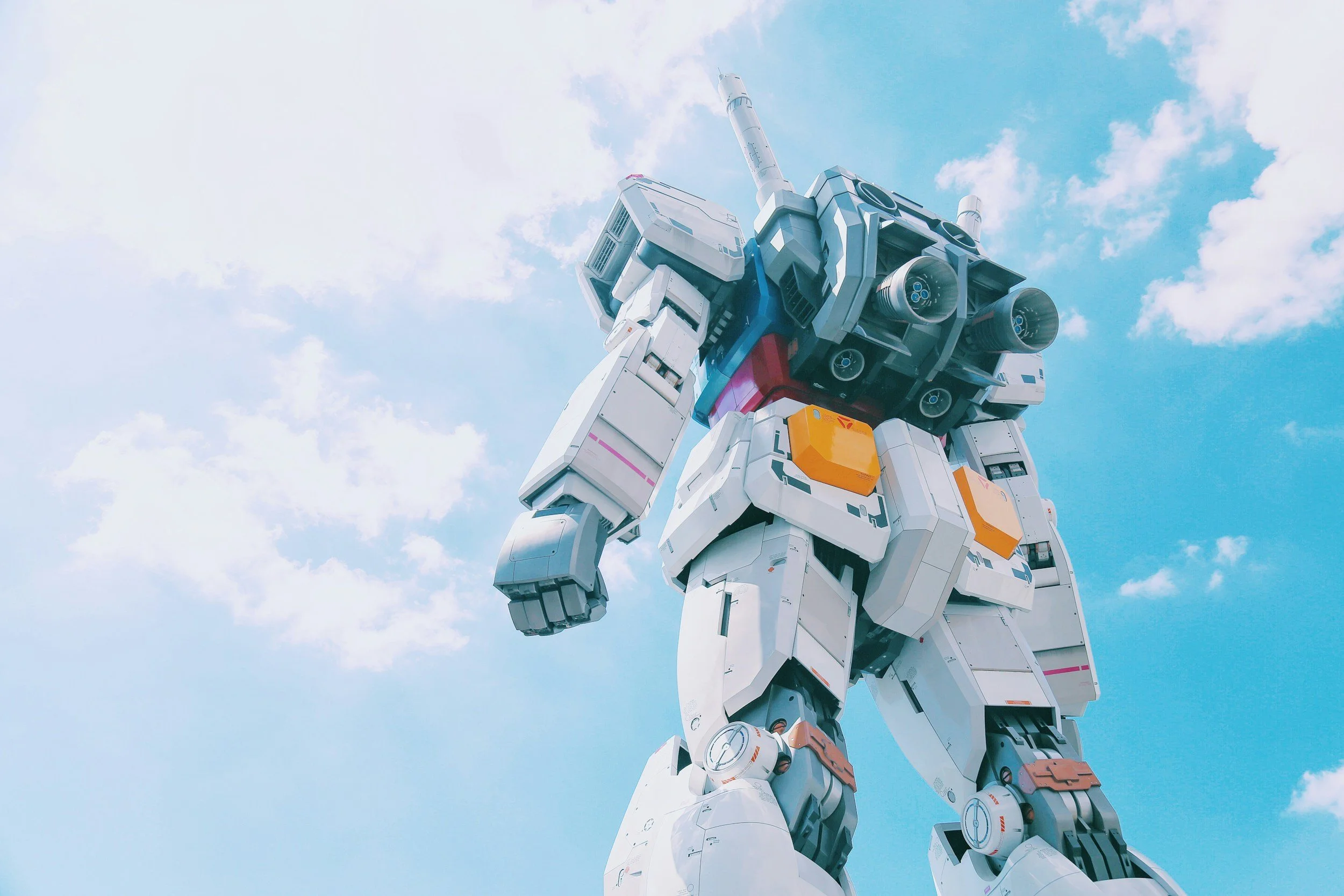
ومع دخول السبعينيات، أصبح الأنمي أكثر تنوعاً من حيث المحتوى والأساليب. وظهرت أعمال بارزة مثل سبيد ريسر (1967) ولوبين الثالث (1971)، التي قدمت مغامرات مليئة بالإثارة وأحداث الجريمة والغموض، مما ساعد على جذب جمهور أوسع وأكثر تنوعاً. كما ساهم صعود أعمال الخيال العلمي مثل موبايل سوت غاندام (1979) في ترسيخ مكانة الأنمي كوسيلة قادرة على دمج التكنولوجيا والفلسفة والإثارة في قالب واحد
THE RISE OF TELEVISION ANIME 1960 TO 1970
The 1960s marked a pivotal era in anime history, as television anime became the primary medium for the expansion of the art form. Following the success of Astro Boy, several new series emerged, such as Gigantor (1963) and Kimba the White Lion (1965), helping to broaden anime’s audience beyond children to include families as well
By the 1970s, anime became more diverse in both content and style. Notable works such as Speed Racer (1967) and Lupin the Third (1971) introduced action-packed adventures along with crime and mystery elements, attracting a wider and more varied audience. The rise of science fiction anime, such as Mobile Suit Gundam (1979), further established anime as a medium capable of blending technology, philosophy, and action into a single narrative form
العصر الذهبي من 1980 إلى 1990
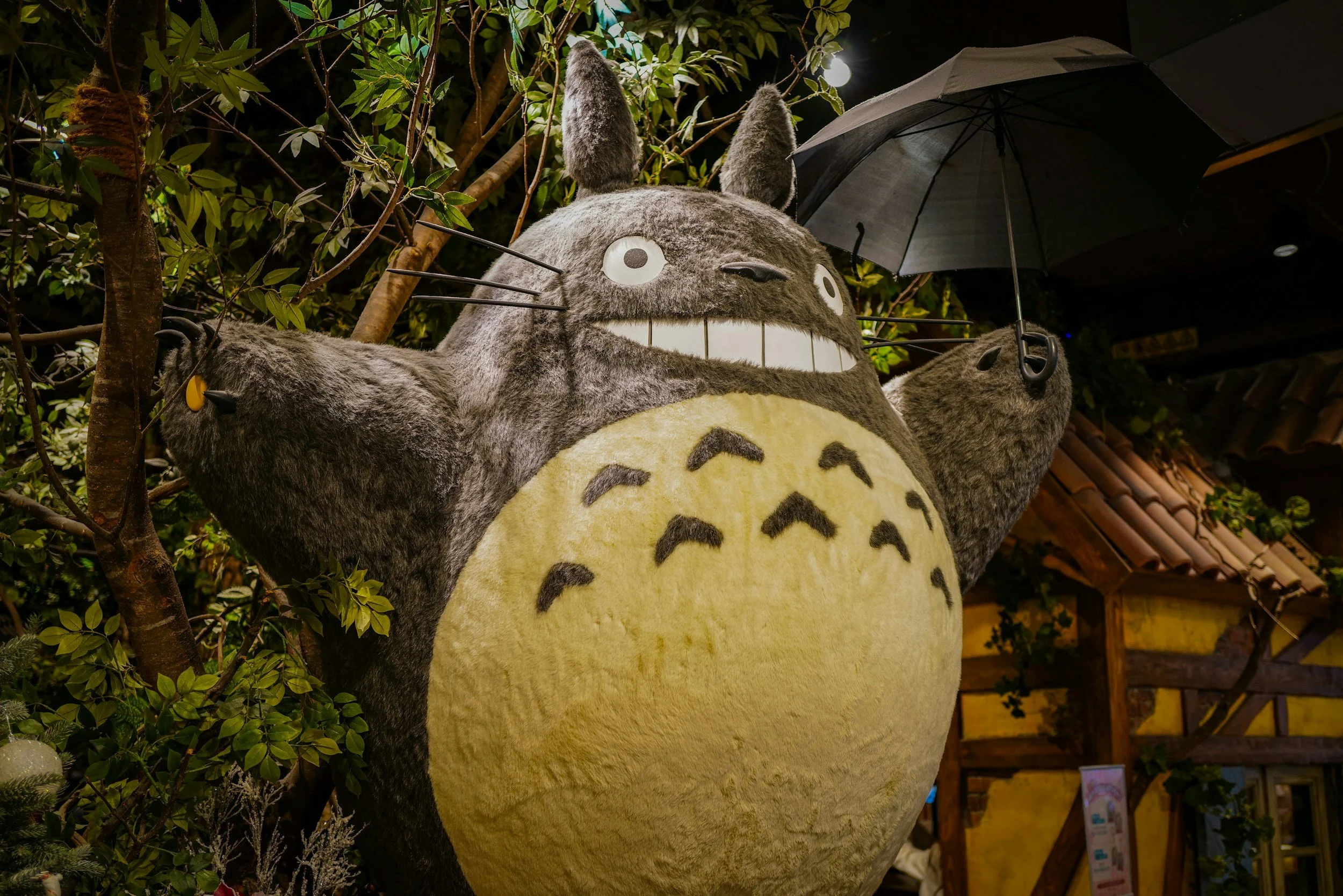
تُعد فترة الثمانينات بداية ما يُعرف بـ"العصر الذهبي" للأنمي، حيث شهد هذا العقد ازدهاراً كبيراً في الإنتاج وظهور العديد من الأعمال الإبداعية التي أثرت في تاريخ هذا الفن. خلال هذه الفترة، برزت استوديوهات مهمة مثل استوديو غيبلي، الذي أسسه هاياو ميازاكي وإيساو تاكاهاتا، وقدم أعمالاً أيقونية مثل جاري توتورو (1988) والأميرة مونونوكي (1997) وروح بعيداً (2001). تميزت هذه الأفلام بجمالها البصري ورسائلها العميقة المتعلقة بالطبيعة والإنسان والروحانية
وفي الوقت نفسه، شهدت هذه المرحلة انتشار أعمال الأنمي المليئة بالحركة والفانتازيا مثل دراجون بول زي (1989) ونينجا سكرول (1993)، والتي جذبت جمهوراً واسعاً وساهمت في زيادة شعبية الأنمي خارج اليابان. كما شكلت هذه الحقبة بداية الانتشار العالمي للأنمي، خاصة في الولايات المتحدة وأوروبا، حيث بدأ يكتسب جمهوراً متزايداً من المعجبين
THE GOLDEN AGE FROM 1980 TO 1990
The 1980s are considered the beginning of the “Golden Age” of anime, a period that saw a major boom in production and the emergence of many influential works that shaped the history of the medium. During this time, important studios such as Studio Ghibli were founded by Hayao Miyazaki and Isao Takahata, producing iconic films like My Neighbor Totoro (1988), Princess Mononoke (1997), and Spirited Away (2001). These films were not only visually stunning but also carried deep themes related to nature, humanity, and spirituality
At the same time, this era saw the rise of action-packed and fantasy-driven anime such as Dragon Ball Z (1989) and Ninja Scroll (1993), which attracted a wide audience and helped expand anime’s popularity beyond Japan. This period also marked the beginning of anime’s global expansion, particularly to the United States and Europe, where it began to build a growing and enthusiastic fanbase

عصر الإنترنت من 2000 إلى الحاضر
مع بداية الألفية الجديدة، دخل الأنمي العصر الرقمي، حيث لعب الإنترنت دوراً محورياً في انتشاره العالمي. وقد ساهمت منصات البث مثل كرانشي رول ونتفليكس وفانيميشن في تسهيل وصول المعجبين حول العالم إلى مسلسلات وأفلام الأنمي، مما أدى إلى ارتفاع غير مسبوق في شعبيته على المستوى الدولي. كما أصبح الأنمي أكثر تفاعلاً مع الثقافة العالمية، حيث دمج عناصر من أنواع مختلفة مثل الرعب والرومانسية والكوميديا والرياضة، مما جعله أكثر تنوعاً وجاذبية. وقد ساهمت أعمال أيقونية مثل ناروتو (2002) وون بيس (1999) وهجوم العمالقة (2013) وأكاديمية الأبطال (2016) في جذب ملايين المعجبين الجدد وترسيخ مكانة الأنمي في الإعلام العالمي السائد
واليوم، لا يزال الأنمي في حالة ازدهار مستمر، مع تنوع كبير في الأنواع التي تلبي مختلف الأذواق. وقد أصبح وسيلة مؤثرة في سرد القصص والفن والرسوم المتحركة على مستوى العالم، متجاوزاً الحدود الثقافية وملهماً جيلاً جديداً من المبدعين
THE INTERNET ERA FROM 2000 TO THE PRESENT
With the beginning of the new millennium, anime entered the digital age, where the internet played a crucial role in its global expansion. Streaming platforms such as Crunchyroll, Netflix, and Funimation made it easier for fans around the world to access anime series and films, leading to an unprecedented rise in its international popularity. Anime also became more interconnected with global culture, incorporating elements from various genres such as horror, romance, comedy, and sports, making it more diverse and appealing. Iconic works such as Naruto (2002), One Piece (1999), Attack on Titan (2013), and My Hero Academia (2016) attracted millions of new fans and solidified anime’s place in mainstream media
Today, anime continues to thrive with a wide variety of genres that cater to all tastes. It has become an influential medium in storytelling, art, and animation worldwide, transcending cultural boundaries and inspiring a new generation of creators

الجاذبية المستمرة للأنمي
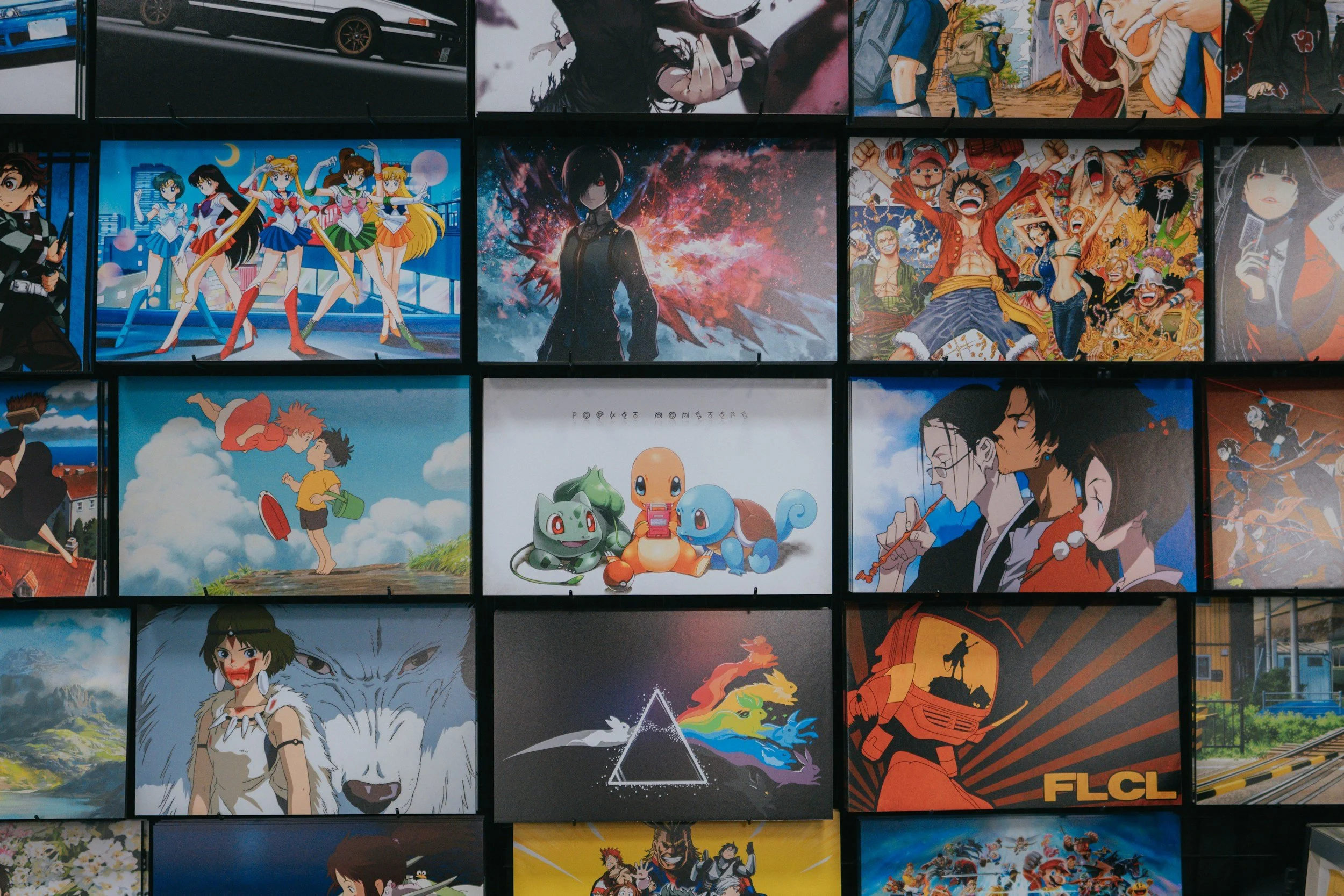
ما يجعل الأنمي فريدًا ومستمرًا هو قدرته على التطور مع الحفاظ على جذوره، حيث يواصل دفع الحدود الإبداعية وخلق روابط بين الناس من جميع أنحاء العالم. سواء كان ذلك الرسوم المتحركة اليدوية المدهشة من ستوديو غيبلي، مشاهد المعارك المثيرة من دراجون بول زي، أو الدراما العاطفية في اسمك (2016)، يظل الأنمي مثالًا على كيف يمكن للفن أن يتجاوز الحدود الثقافية ويُلهم الأجيال. بينما يواصل الأنمي توسيع حضوره العالمي، يظل تاريخه الغني تذكيرًا بقدرة الفن على التواصل العميق بين الناس في كل مكان. إذا كنت تبدأ في استكشاف عالم الأنمي أو كنت من محبي الأنمي منذ فترة طويلة، فهناك شيء واحد مؤكد أنه سيظل الأنمي يأسر الجماهير لسنوات عديدة قادمة
THE ENDURING APPEAL OF ANIME
What makes anime unique and continuous is its ability to evolve while maintaining its roots, as it continues to push creative boundaries and create connections between people from all around the world. Whether it is the stunning hand-drawn animation from Studio Ghibli, the exciting battle scenes from Dragon Ball Z, or the emotional drama in Your Name (2016), anime remains an example of how art can transcend cultural boundaries and inspire generations. As anime continues to expand its global presence, its rich history remains a reminder of art’s ability to create deep communication between people everywhere. If you are beginning to explore the world of anime or have been an anime fan for a long time, there is one thing that is certain, anime will continue to captivate audiences for many years to come
