أنظمة الكتابة اليابانية المعقدة والمذهلة
📝 Emna F. - آمنة ف
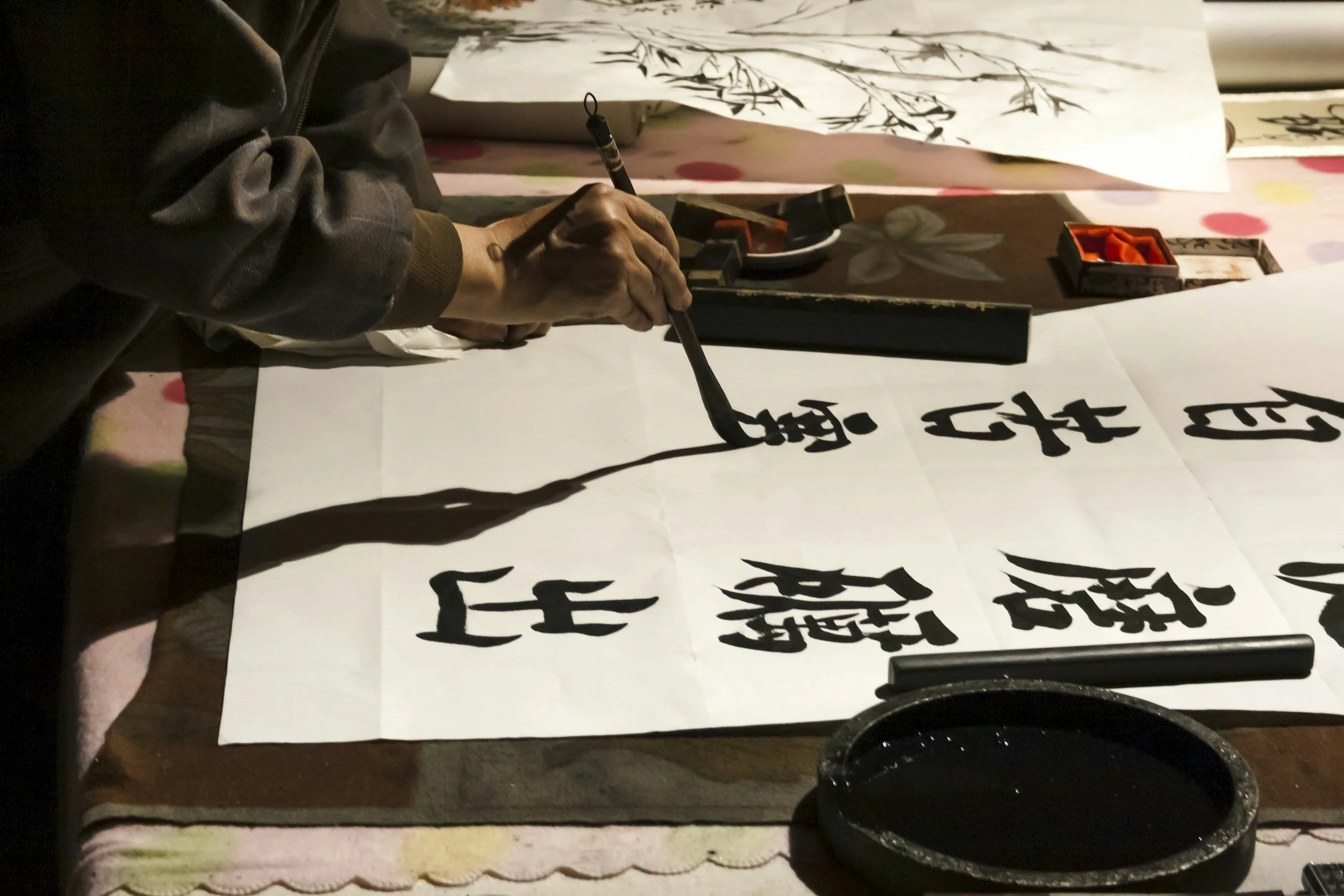
تشهد اللغة اليابانية مؤخرا ارتفاعًا ملحوظًا في شعبيتها، ما يجعلها إحدى أشهر اختيارات محبي اللغات. ولكن رغم زيادة شعبيتها، فإن هذه اللغة تشكل تحديًا صعبًا لا بسبب نحو معقد أو ثروة لغوية ضخمة أو أي شيء من هذا القبيل. فبالنسبة لأغلب متعلميها، تكمن الصعوبة الكبرى في طريقة الكتابة أو بالأحرى طرق الكتابة اليابانية. سواء كنت مشاهدًا عاديًا أو معجبًا شغوفًا بالأنمي، فقد رأيت بدون شك مدى صعوبة اللغة اليابانية في شكلها الكتابي في مشاهد عدة. فعلى عكس أغلب لغات العالم التي تعتمد على نظام كتابي واحد (الحروف الأبجدية، الرموز اللوغوغرافية، إلخ)، تعتمد اليابان على ثلاثة أنظمة مترابطة ومختلفة تمامًا وتعرف بالكانجي، الهيراغانا، والكاتاكانا
Japanese has been witnessing a steady increase in popularity, making it one of the top choices for language learners. Despite its rising popularity, this language presents a tough challenge not because of a complex grammar, or an endless vocabulary, or anything of the sort. According to most learners, the main difficulty lies in the Japanese writing system, or, more accurately, writing systems. Whether you are a casual anime watcher or an avid fan of the medium, you have definitely seen the complexity of Japanese in its written form in various scenes. Unlike most languages which have one single writing system (i.e. alphabets, abjads, logograms, etc.), Japanese has three closely related yet very distinct systems known as Kanji, Hiragana, and Katakana
أنظمة الكتابة
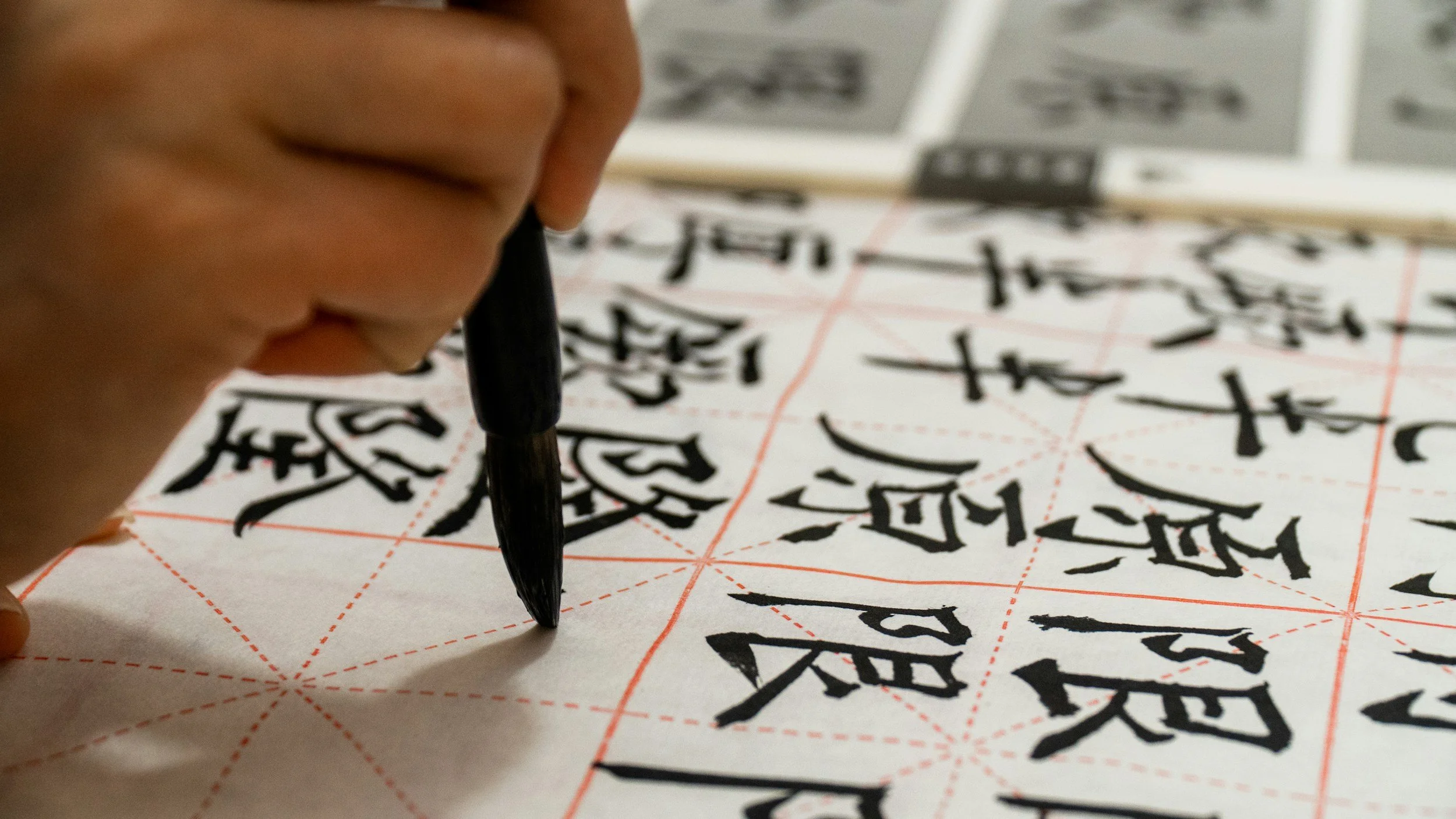
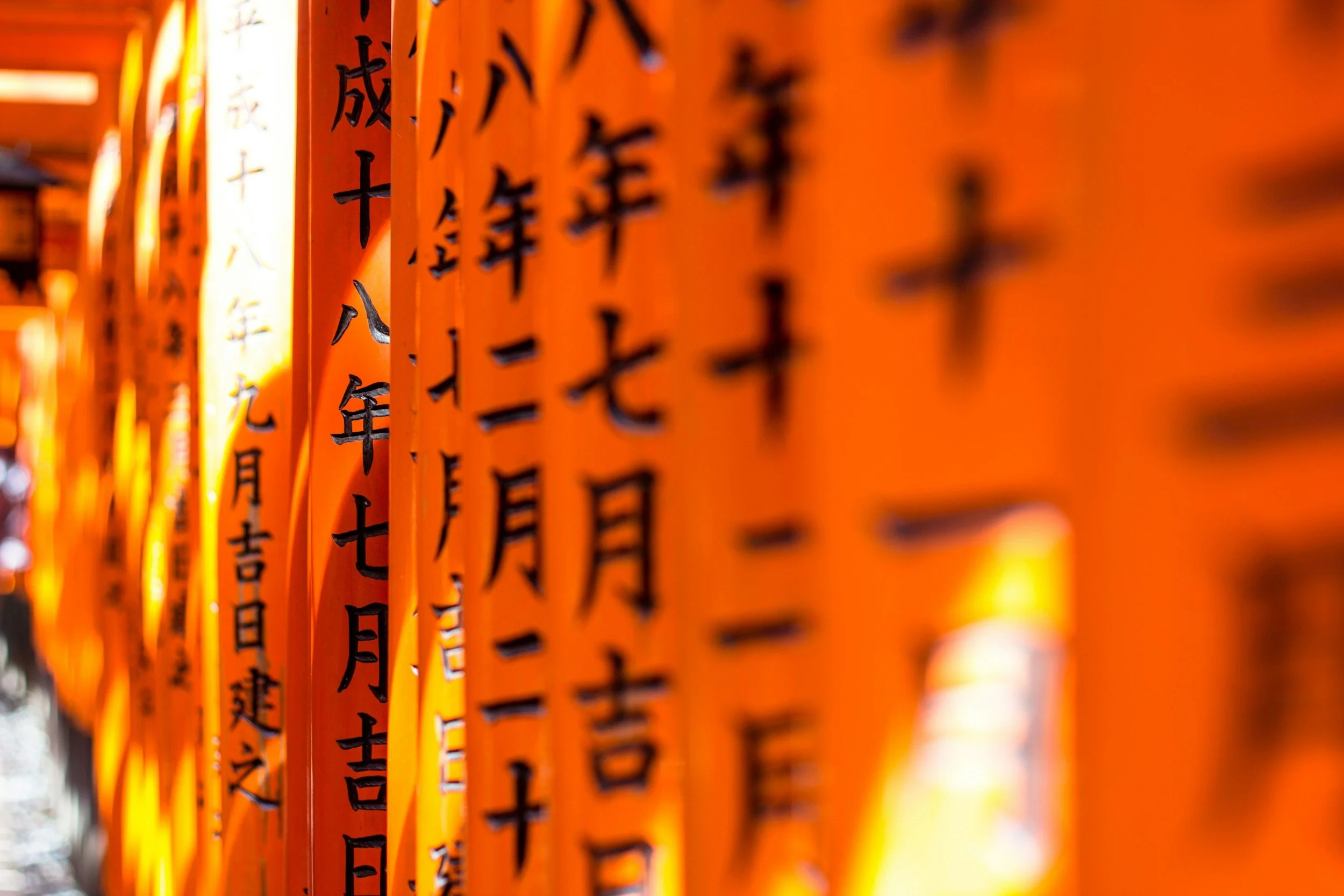
الكانجي هو الأقدم بينها ويعد أحد الأشياء العديدة التي استوردتها اليابان من الصين. وهو عبارة عن مجموعة ضخمة من الرموز اللوغوغرافية التي ترمز إلى الكلمات بأكملها وإلى معانيها. وقبل استيراد الكانجي، كانت اللغة اليابانية لغة منطوقة وبلا شكل كتابي. لكن ازدادت الحاجة لتمثيل كتابي للغة اليابانية عبر الزمن وهو ما أدى إلى استعمال الـ"حروف" الصينية للتعبير عما يرادفها في اليابانية. بالإضافة إلى ذلك، فقد كان الكانجي طريقة ناجعة جدا في التفرقة بين الكلمات ذات نفس الكتابة والنطق وذات معاني مغايرة وذلك عن طريق تمثيلها برموز مختلفة
THE WRITING SYSTEMS
Kanji is the oldest of the three and is one of the many things imported to Japan from China. It is a large set of logograms, meaning picture-based symbols, all of which represent entire words and their meanings. Prior to Kanji, Japanese developed as a spoken language with no written form. However, over time, the need for a written Japanese kept growing, resulting in the use of Chinese characters to represent the same meaning in Japanese. In addition, Kanji presented itself as a great way of differentiating between homonyms, i.e. words with different meanings but same pronunciation and spelling, through representing them with different characters
وبالرغم من أن استخدام الكانجي كان مفيدًا في تحويل اليابانية من لغة منطوقة إلى مكتوبة، فإن هذه الرموز الصينية لم تكن قادرة على محاكاة النحو الياباني. وقد أدى هذا إلى خلق إشكال كبير: كيف لليابانيين أن يتجاوزوا هذا العجز عن تمثيل نحوهم بطريقة سليمة؟ وهذا ما نتج عنه اختراع ما يعرف الآن بـ"كانا" (الكاتاكانا والهيراغانا) وهي عبارة عن أبجدية مقطعية
Although the adoption of Kanji was useful in the transition of Japanese from a spoken to a written language, the Chinese logograms proved incapable of properly representing Japanese grammar. This resulted in a big dilemma: How can Japanese people make up for the lack of a proper grammatical representation? This is what gradually led to the invention of what is now known as Kana (Katakana and Hiragana), which are sound-based syllabaries
أنظمة الكتابة الصوتية
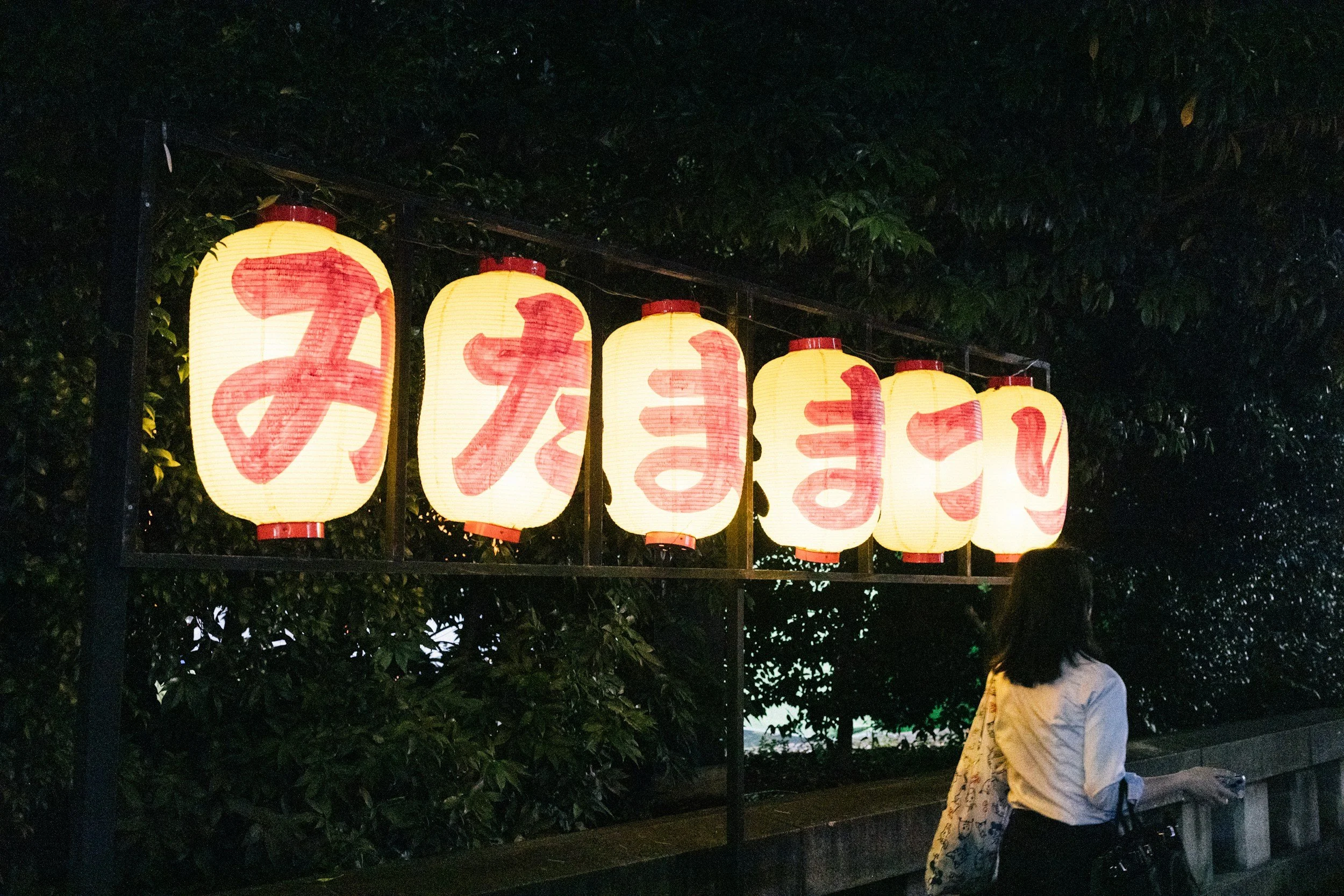
تنحدر الكانا من الكانجي مباشرة من ناحية النطق والشكل أيضًا. فهي في الأصل نسخ مبسطة للكانجي وترمز إلى الأصوات لا إلى المعنى. وبالرغم أن الهيراغانا والكاتاكانا أبجديتان مقطعيتان ترمزان لنفس الأصوات فهما تختلفان في الشكل وتستخدمان بطرق مختلفة أيضًا. في العديد من الحالات، تستخدم الهيراغانا كمؤشر نحوي لترمز إلى الإعراب (تصريف الأفعال كمثال) وحروف الجر ومحددات الفاعل والمفعول به، الخ. وبسبب بساطتها فإن الهيراغانا عادة ما تستعمل في كتب الصغار وهي الأسهل في التعلم بالنسبة للأجانب. كما أنها تستعمل أيضا لاستنساخ رموز الكانجي الصعبة. وعند استخدامها كأداة مساعدة في النطق، يطلق على الهيراغانا اسم "فوريغانا”. ثالث أنظمة الكتابة اليابانية هو الكاتاكانا وهو نظام عادة ما يستخدم كأداة ترجمة صوتية لكتابة الكلمات المأخوذة من لغات أجنبية. ومن ضمن هذه الكلمات نذكر الأسماء الأجنبية وأسماء البلدان والأماكن والأكل وأي مفهوم غريب وجديد على اليابان
THE PHONETIC WRITING SYSTEM
Kana are directly derived from Kanji both phonetically and shape-wise. They are simplified versions of Kanji and they carry sound rather than meaning. While Hiragana and Katakana are both syllabaries that represent the same sounds, they look different and are used differently too. In many cases, Hiragana functions as a grammar indicator that is used to show inflections (verb endings, for instance), prepositions, topic/subject markers, etc. Thanks to its simplicity, Hiragana is mostly used in children books and is the easiest of the three to learn by foreigners. It is also used to transcribe difficult Kanji characters. When it is used as a pronunciation aid, Hiragana is referred to as Furigana. The last of the three systems is Katakana. It is mainly used as a transliteration tool to write loan words borrowed from foreign languages. This includes foreign names of people, countries, places, food, and any concept foreign to Japan
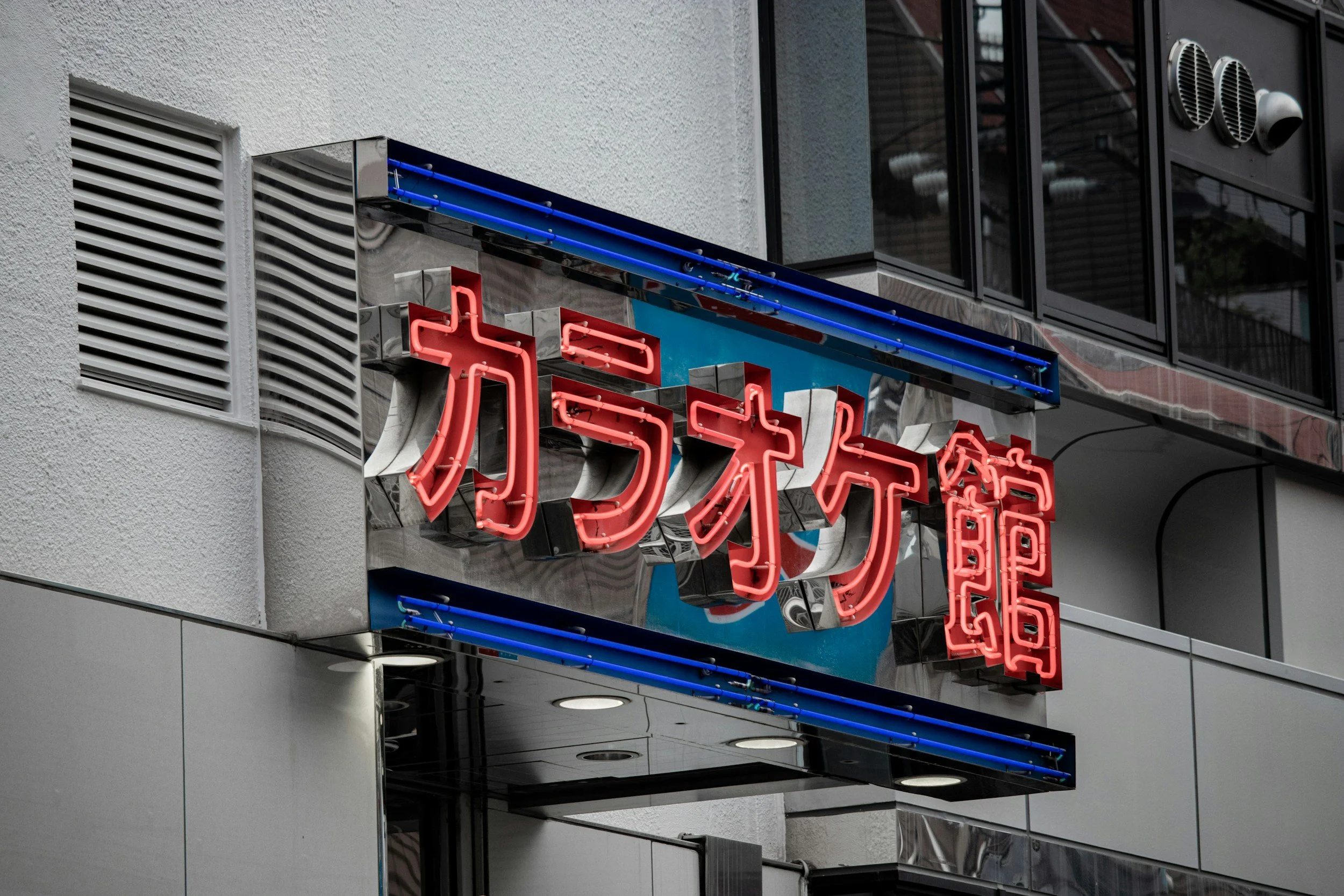
إتقان الأنظمة الثلاثة
تمزج معضم الجمل اليابانية بين الأنظمة الثلاثة، ما يجعل هذه اللغة تحديًا شاقا لمتعلميها. لذلك، فإن أنجع طريقة للحصول على قدرة متكاملة وشاملة لقراءة وفهم اللغة اليابانية هي أن يصل المتعلم إلى مستوى معين في كل نظام كتابة. فتعلم نظام على حساب الآخرين يعد عائقا كبيرا عند تعلم هذه اللغة الجميلة
MASTERING THE THREE SYSTEMS
Most Japanese sentences use a combination of all three systems, which is what makes this language a real challenge to its learners. So, in order to be able to have a balanced ability to read and understand Japanese, one has to meet a specific level in each writing system, because learning one at the expense of the others will prove to be a major obstacle in learning this beautiful language