أوجه التشابه بين التقاليد العربية واليابانية

📝 Emad Moawwad - عماد معوض
عندما بدأت أول مرة في استكشاف الثقافة اليابانية، لفت انتباهي مدى اختلافها عن الثقافة العربية للوهلة الأولى. فاللغة والجغرافيا والروتين اليومي تبدو مختلفة تمامًا. لكن مع تعمقي أكثر، بدأت ألاحظ أوجه تشابه مفاجئة لامستني كثيرًا كشخص من العالم العربي. هذه التوازيات تعكس قيمًا يعتز بها كل من الثقافتين، وأود أن أشارككم أفكاري حول ما يربط بينهما
When I first started exploring Japanese culture, I was struck by how different it seemed from Arab culture at a glance. The language, geography, and daily routines are worlds apart. But as I delved deeper, I began to notice surprising similarities that really resonated with me as someone from the Arab world. These parallels reflect values that both cultures hold dear, and I’d like to share my thoughts on what connects them.
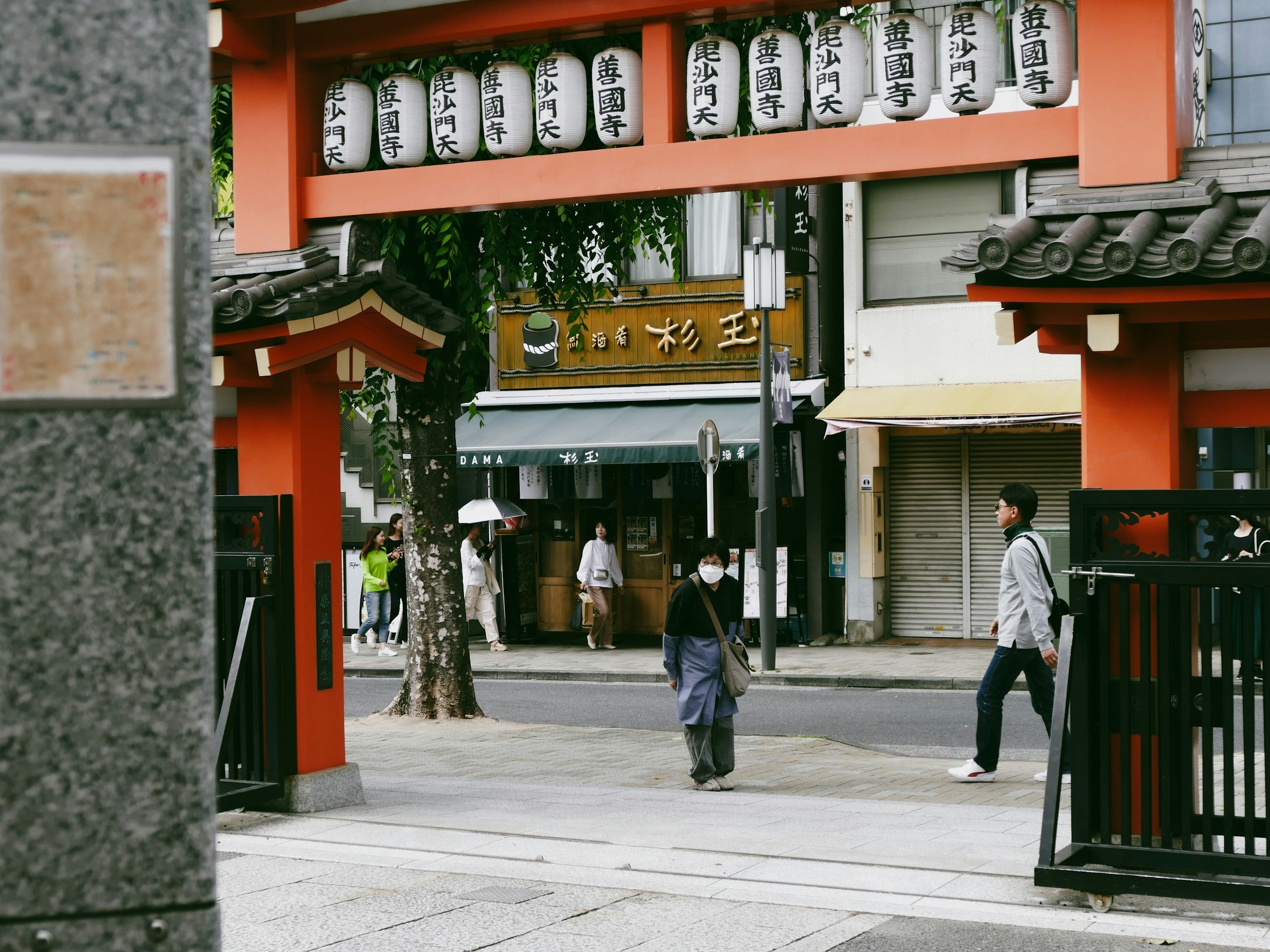
١. الاحترام لكبار السن
أحد الأمور التي تبرز لي في كل من الثقافة العربية واليابانية هو مدى الاحترام الممنوح لكبار السن. ففي اليابان، يُظهر هذا غالبًا من خلال الانحناء واستخدام اللغة المهذبة، بينما في الثقافة العربية، نظهر احترامنا بتقديم أفضل المقاعد أو مخاطبة كبار السن بألقاب محببة مثل "عمة" أو "عم". نشأت في أسرة عربية، وكنت دائمًا أرى كبار السن كمصدر للحكمة والإرشاد، وسعدت لرؤية نفس القيمة تنعكس في التقاليد اليابانية
1. RESPECT FOR ELDERS
One thing that stands out to me in both Arab and Japanese cultures is how much respect is given to elders. In Japan, this is often shown through bowing and using polite language, while in Arab culture, we show our respect by offering the best seating or addressing elders with affectionate titles like “Auntie” or “Uncle.” Growing up in an Arab family, I’ve always seen elders as a source of wisdom and guidance, and I was happy to see that same value reflected in Japanese traditions.
٢. الضيافة
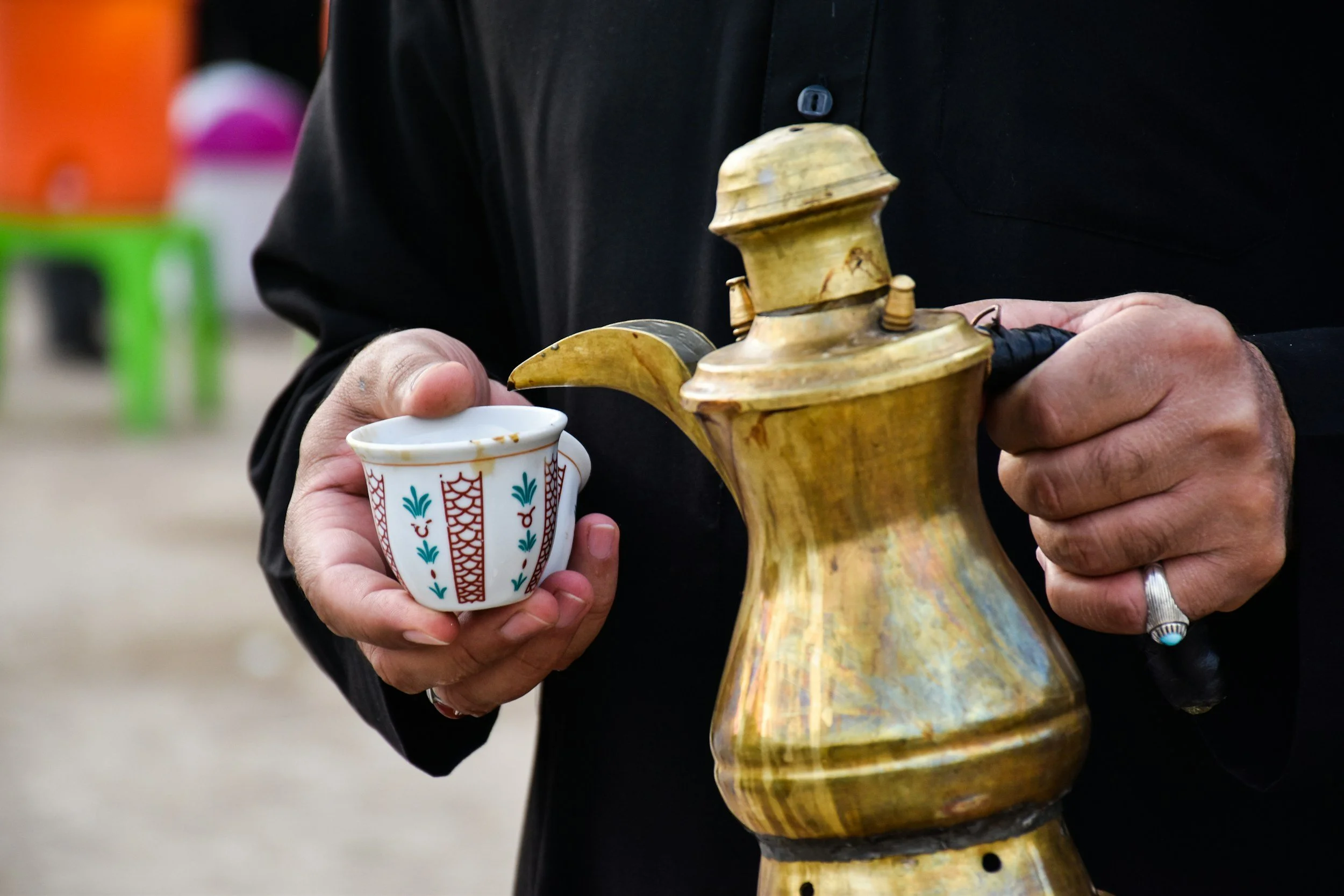
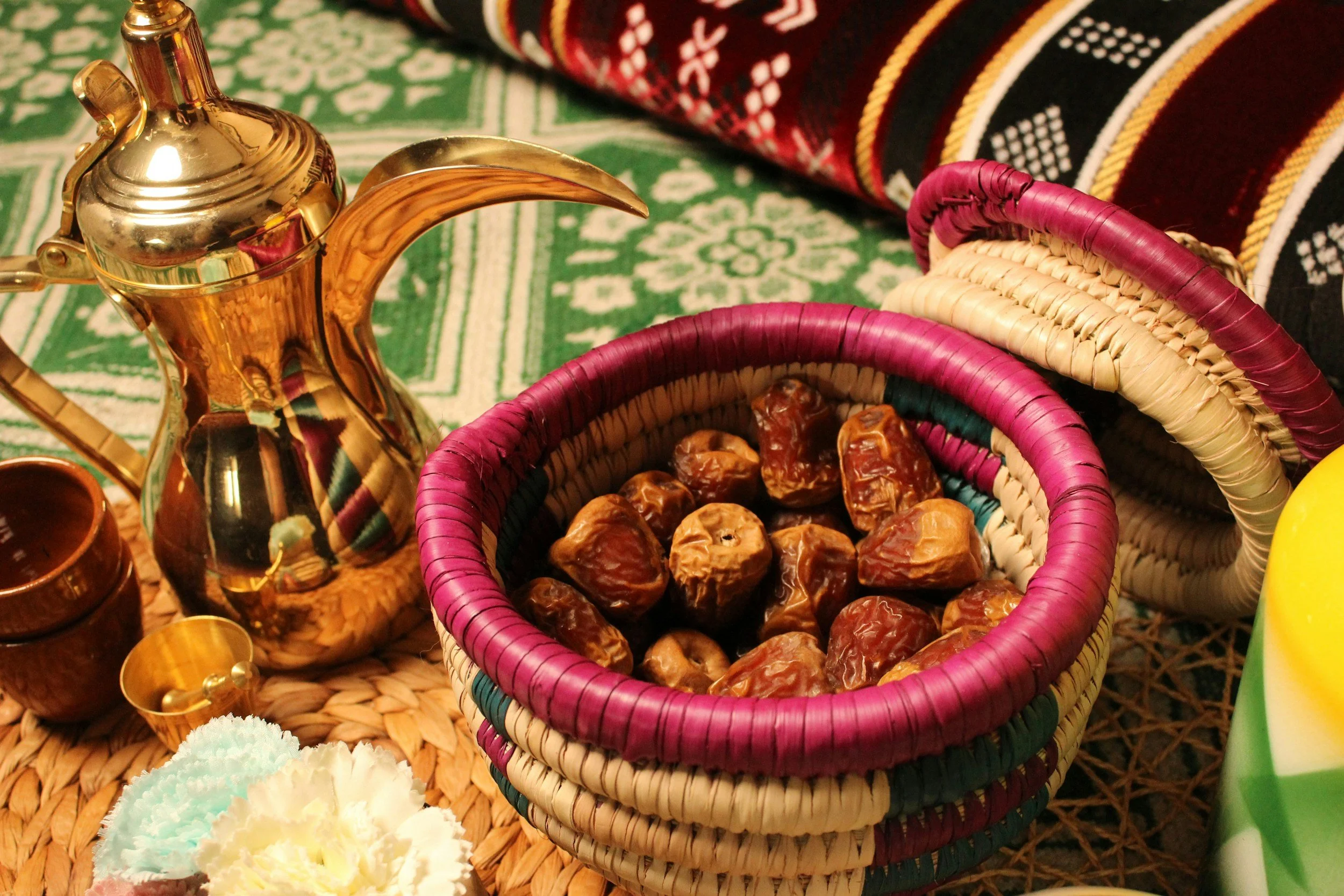
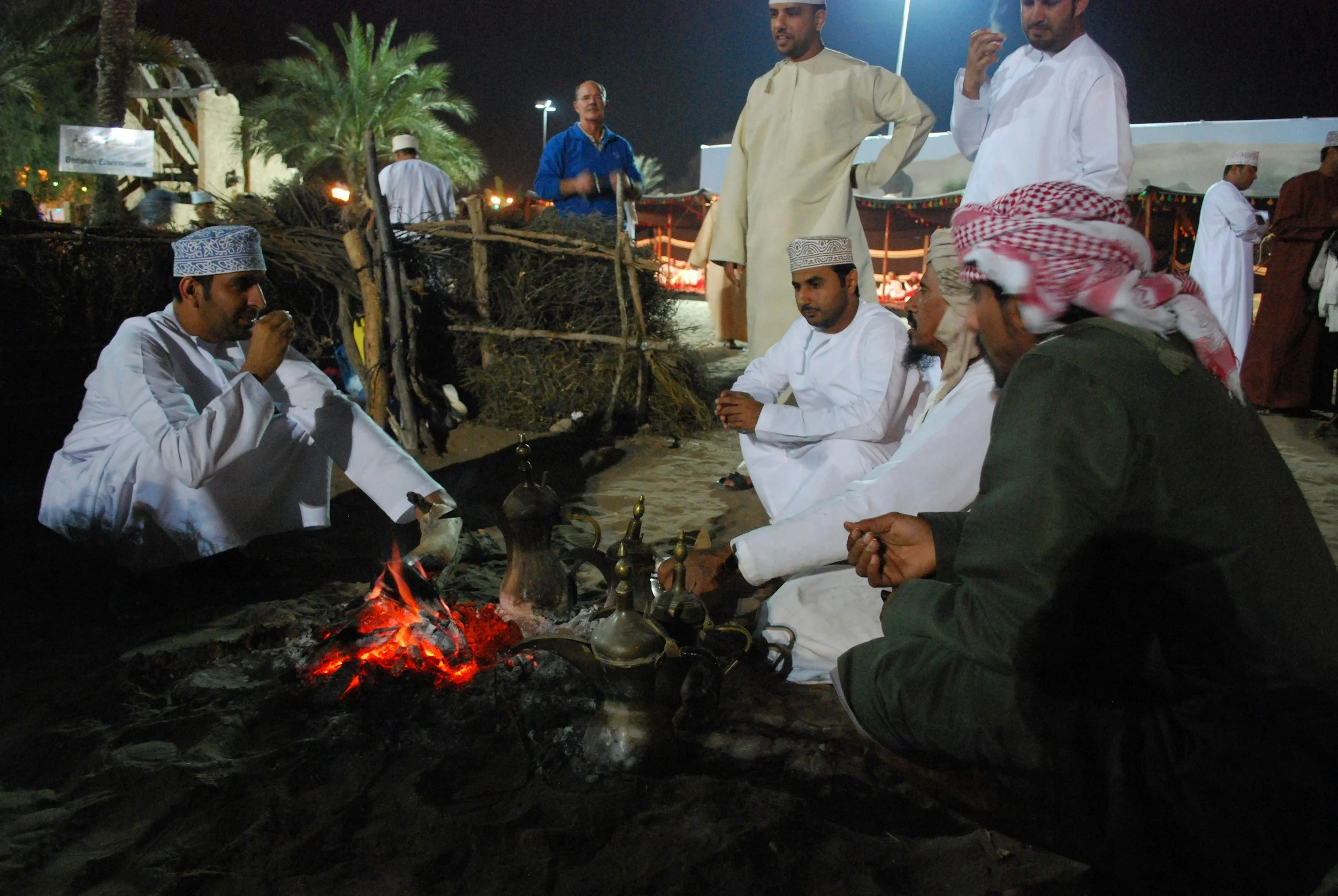
الضيافة شيء كنت دائمًا أفتخر به في الثقافة العربية، وأذهلني رؤية مدى تشابهها في اليابان. في العالم العربي، يعتبر استقبال الضيف أمرًا مهمًا جدًا. نحضر أفضل الأطعمة، نقدم القهوة أو الشاي، ونتأكد من شعوره بالراحة التامة. ولدى اليابان مفهوم مشابه يُعرف باسم "أوموتيناشي"، حيث يُراعى كل تفصيل لجعل الضيف يشعر بالتقدير. سواء كانت فنجان قهوة عربية أو وعاء من الماتشا، تتعامل الثقافتان مع الضيافة كفعل من اللطف والاحترام
2. HOSPITALITY
Hospitality is something I’ve always been proud of in Arab culture, and I was amazed to see how similar it is in Japan. In the Arab world, hosting a guest is a big deal. We prepare the best food, serve coffee or tea, and make sure they feel completely at ease. Japan has a similar concept called omotenashi, where every detail is carefully thought out to make the guest feel valued. Whether it’s a cup of qahwa (Arabic coffee) or a bowl of matcha, both cultures treat hosting as an act of kindness and respect.
٣. الدور المركزي للعائلة
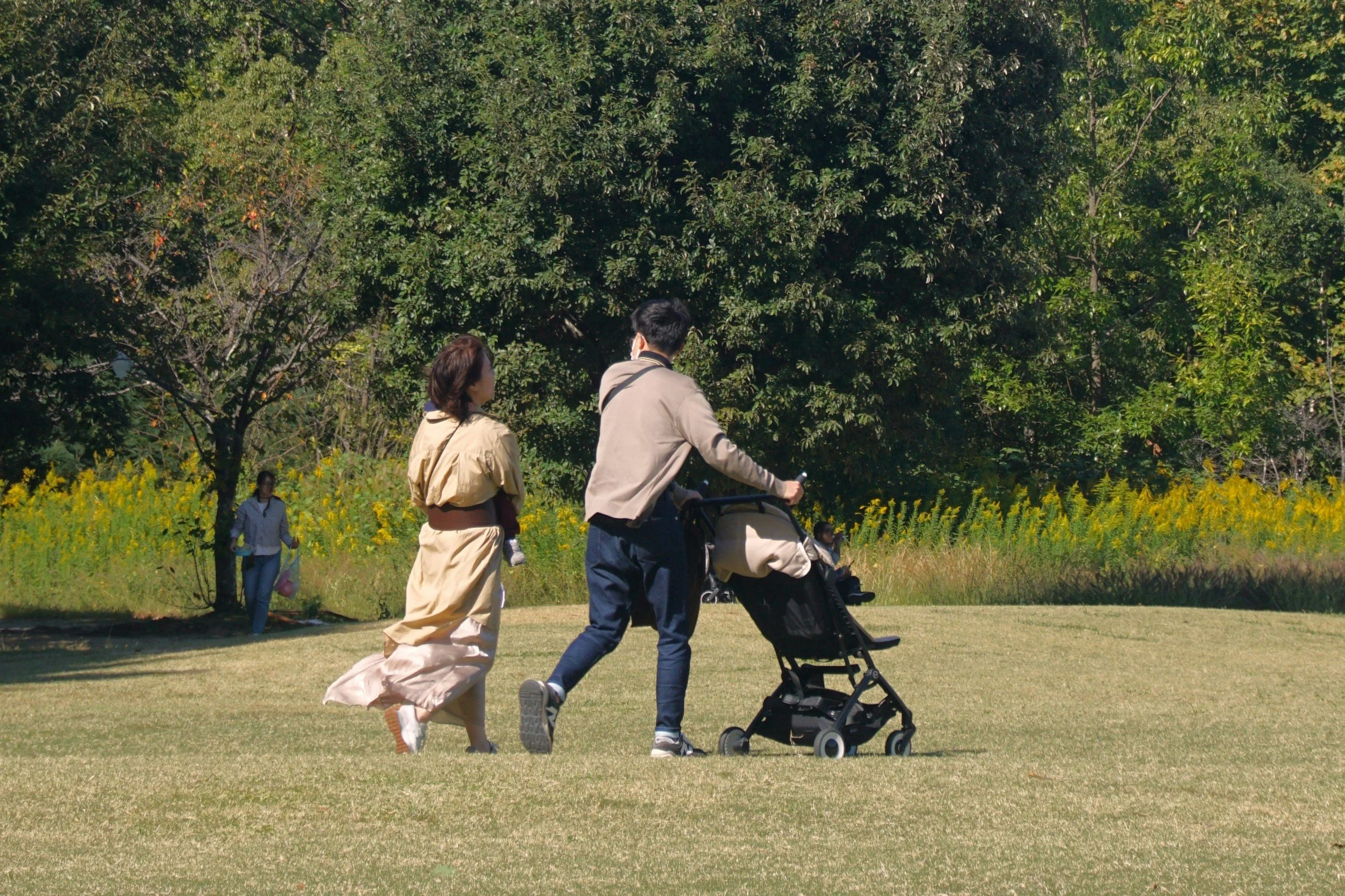
العائلة هي كل شيء في الثقافة العربية، وقد لاحظت أنها تحظى أيضًا بمكانة قوية في المجتمع الياباني. في كلتا الثقافتين، هناك شعور عميق بالمسؤولية والترابط داخل العائلة. سواء كان ذلك في رعاية الوالدين المسنين أو إعطاء الأولوية لرفاهية العائلة على احتياجات الفرد، فهذه القيمة المشتركة شيء أعجبني كثيرًا. ومن المطمئن أن نرى أنه مهما أصبح العالم حديثًا، يظل رابط العائلة ثابتًا
3. THE CENTRAL ROLE OF FAMILY
Family is everything in Arab culture, and I’ve noticed that it holds a strong place in Japanese society as well. In both cultures, there’s a deep sense of responsibility and connection within families. Whether it’s caring for aging parents or prioritizing the family’s well-being over individual needs, this shared value is something I really admire. It’s comforting to see that no matter how modern the world becomes, the bond of family remains a constant.
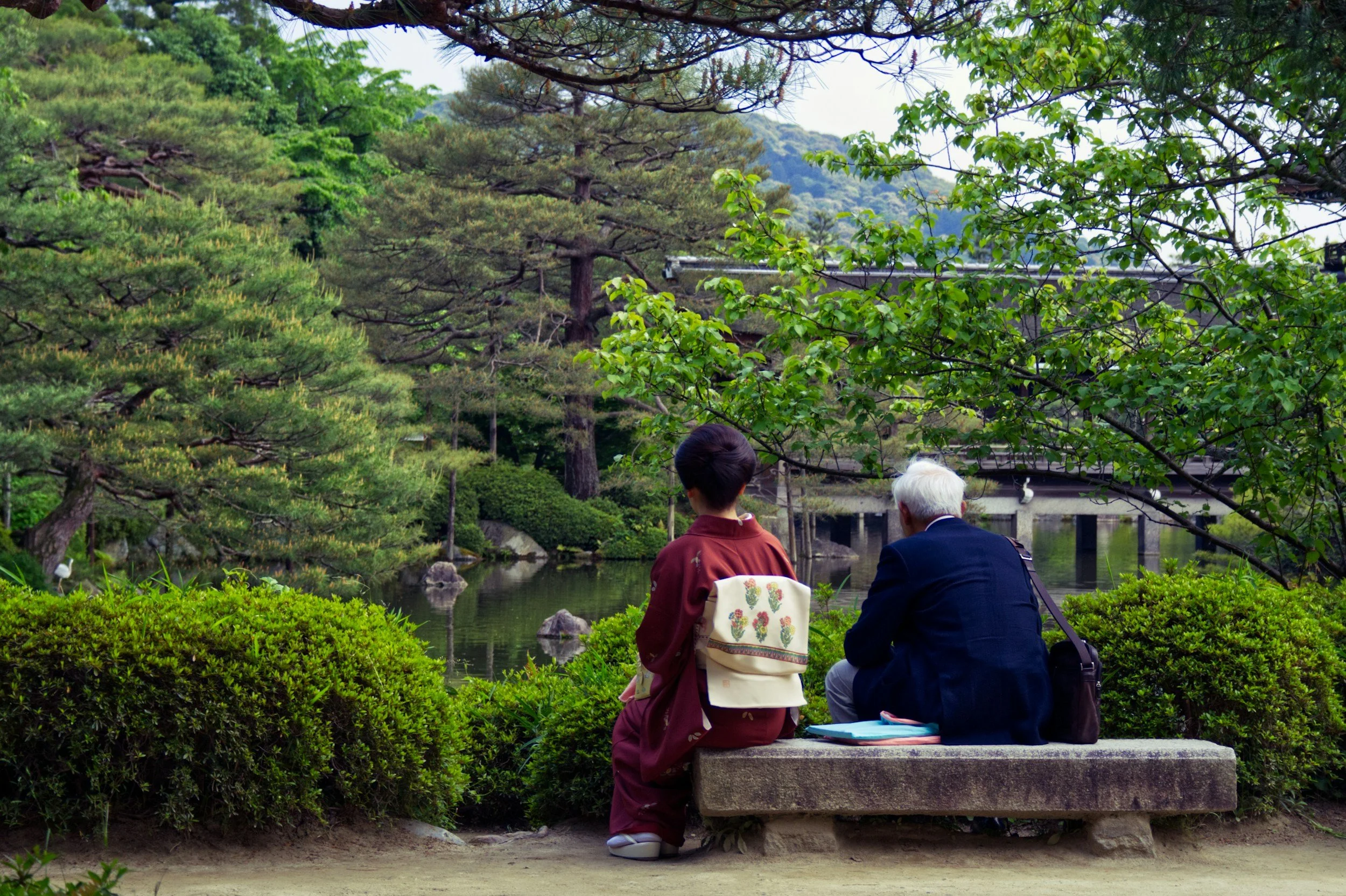
٤. التواضع في الحياة اليومية
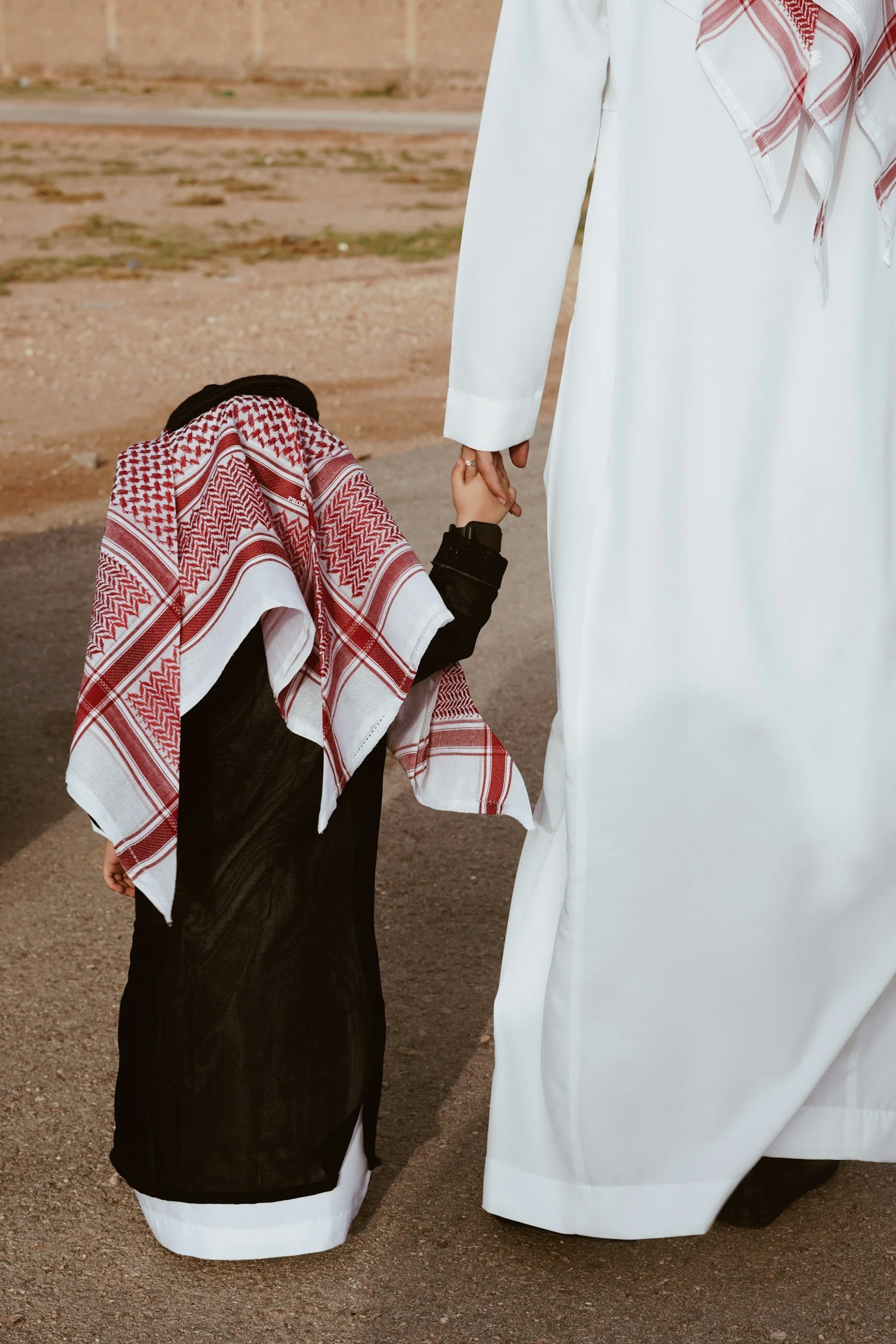
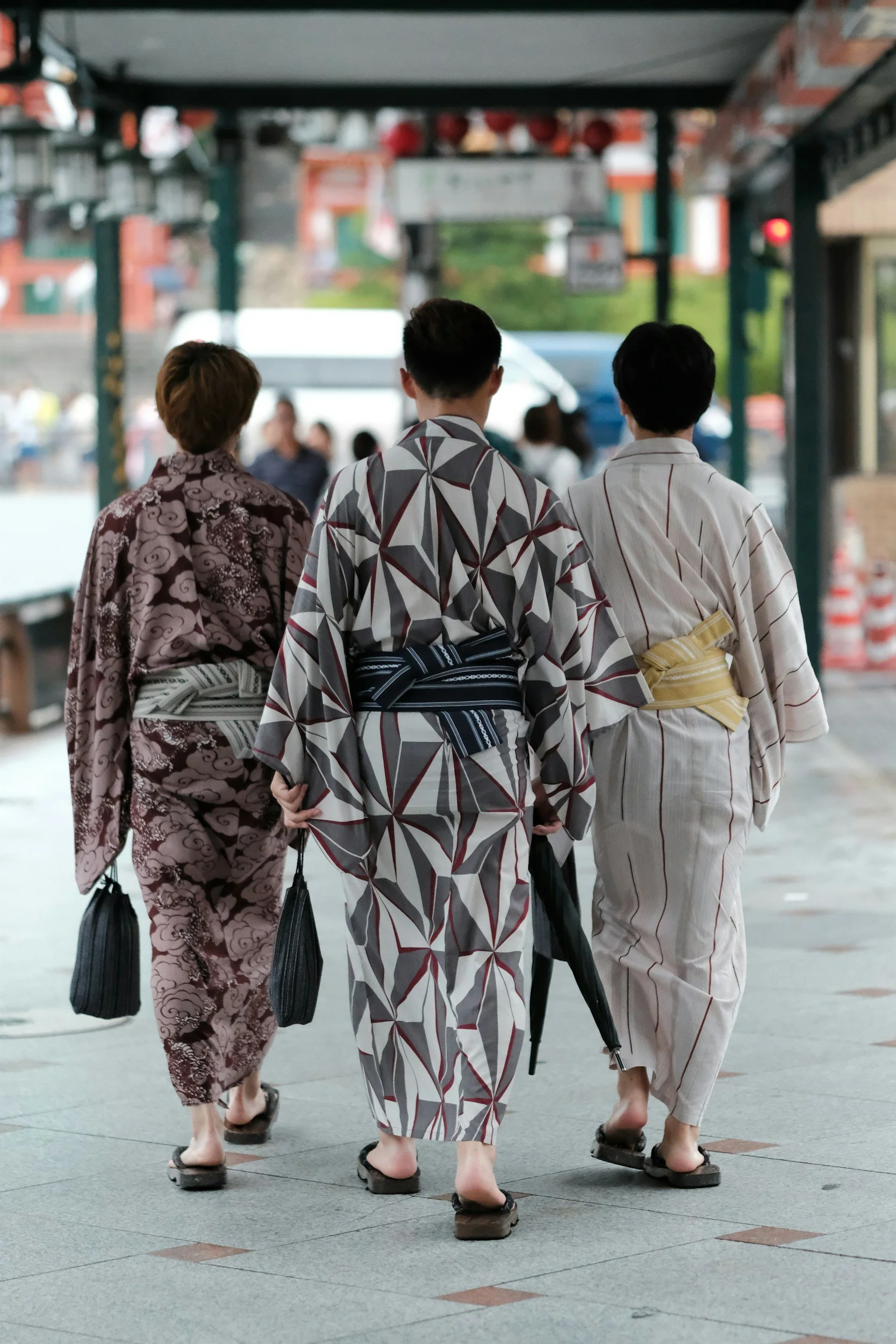
يبدو أن كل من العرب واليابانيين يتمتعون بحس طبيعي من التواضع، ليس فقط في لباسهم بل أيضًا في سلوكهم. ففي الثقافة العربية، التواضع متجذر بعمق في التقاليد والدين، أما في اليابان فيتجلى في أناقة الملابس التقليدية مثل الكيمونو أو حتى في أسلوب تصرف الأشخاص. أجد هذا الإحساس المشترك بالتواضع والانضباط جميلًا جدًا ويشكل تباينًا منعشًا مقارنة بالثقافات الأكثر صراحة
4. MODESTY IN EVERYDAY LIFE
Both Arabs and Japanese seem to have a natural sense of modesty, not just in how they dress but also in their behavior. In Arab culture, modesty is deeply rooted in tradition and religion, and in Japan, it’s reflected in the elegance of traditional clothing like the kimono or even in how people carry themselves. I find this shared sense of humility and restraint really beautiful and a refreshing contrast to more outspoken cultures.
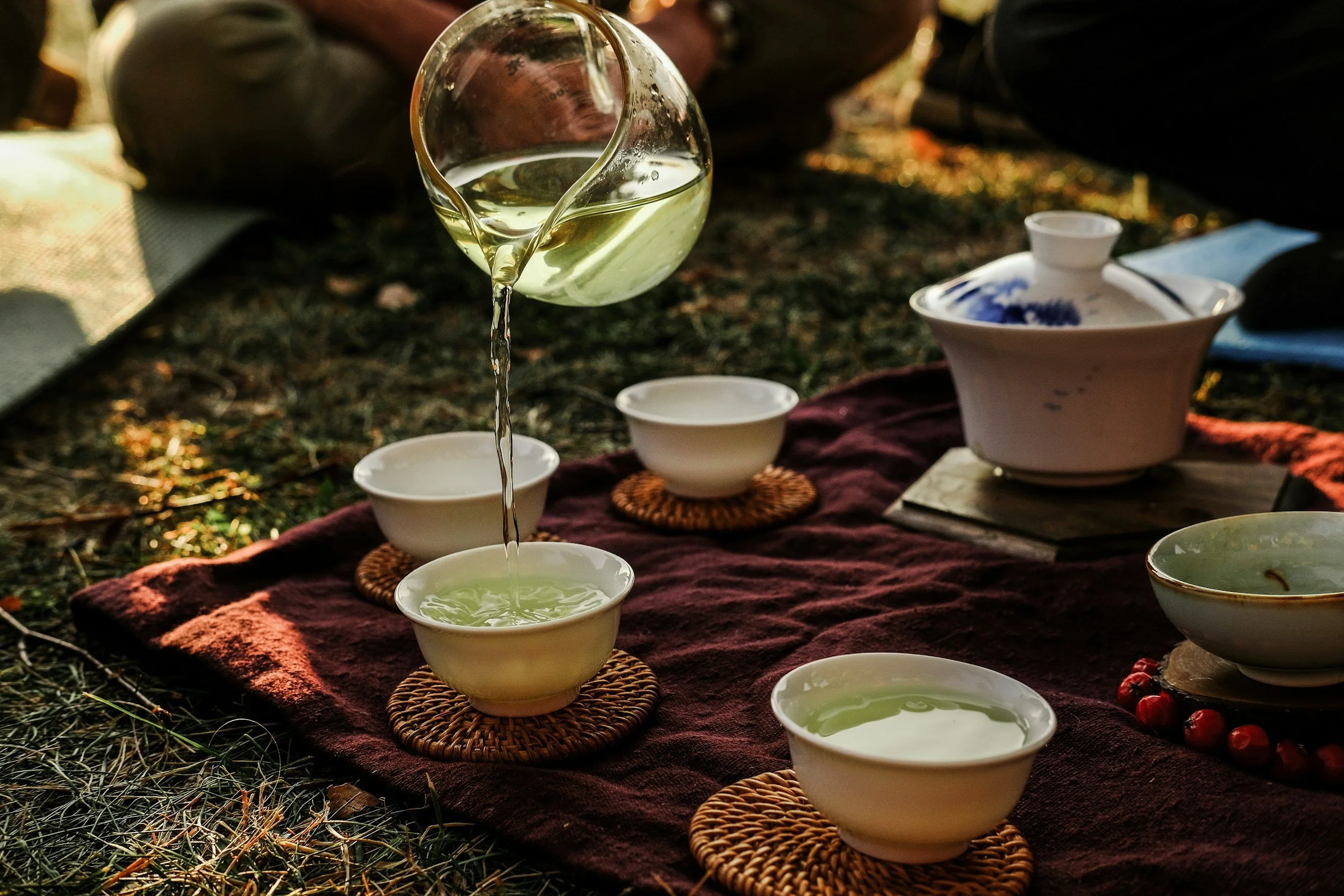
٥. الطقوس المشتركة للشاي والقهوة
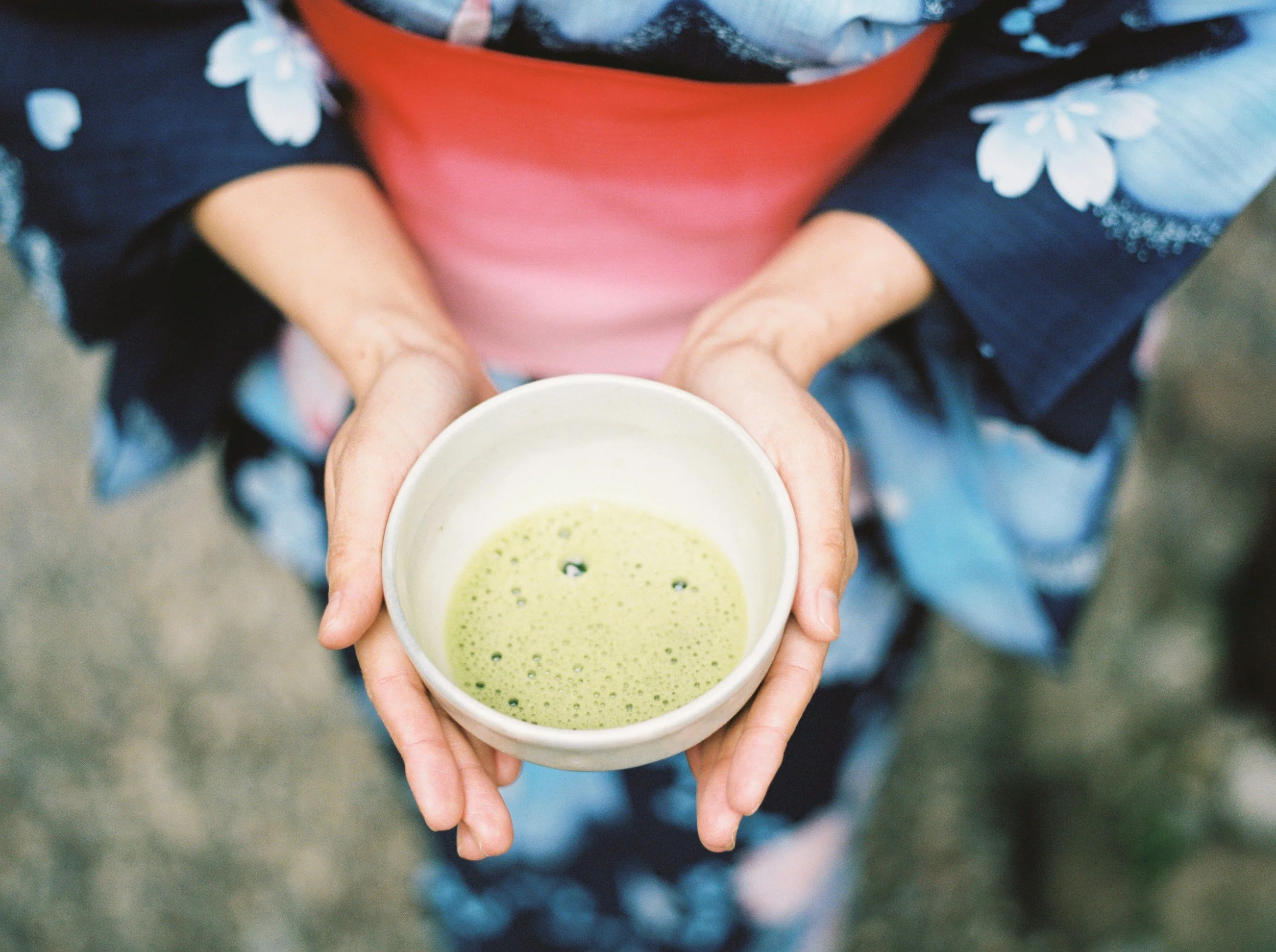
هذه إحدى أوجه التشابه التي أبهجتني كثيرًا. في الثقافة العربية، تقديم القهوة أو الشاي يعد طقسًا مهمًا جدًا، ووجدت أن لليابان تقليدًا مشابهًا في مراسم الشاي لديهم. كلاهما يحوّل شيئًا بسيطًا مثل المشروب إلى لحظة من التواصل والوعي باللحظة. من تجربتي، هذه الطقوس ليست مجرد ضيافة. بل هي أيضًا عن إظهار الاحترام وأخذ الوقت لتقدير اللحظة
5. SHARED RITUALS AROUND TEA AND COFFEE
This is one similarity that really made me smile. In Arab culture, serving coffee or tea is such an important ritual, and I found that Japan has a similar tradition with their tea ceremonies. Both take something as simple as a drink and turn it into a moment of connection and mindfulness. In my experience, these rituals aren’t just about hospitality. They’re also about showing respect and taking time to appreciate the moment.
٦. حب المهرجانات وروح المجتمع
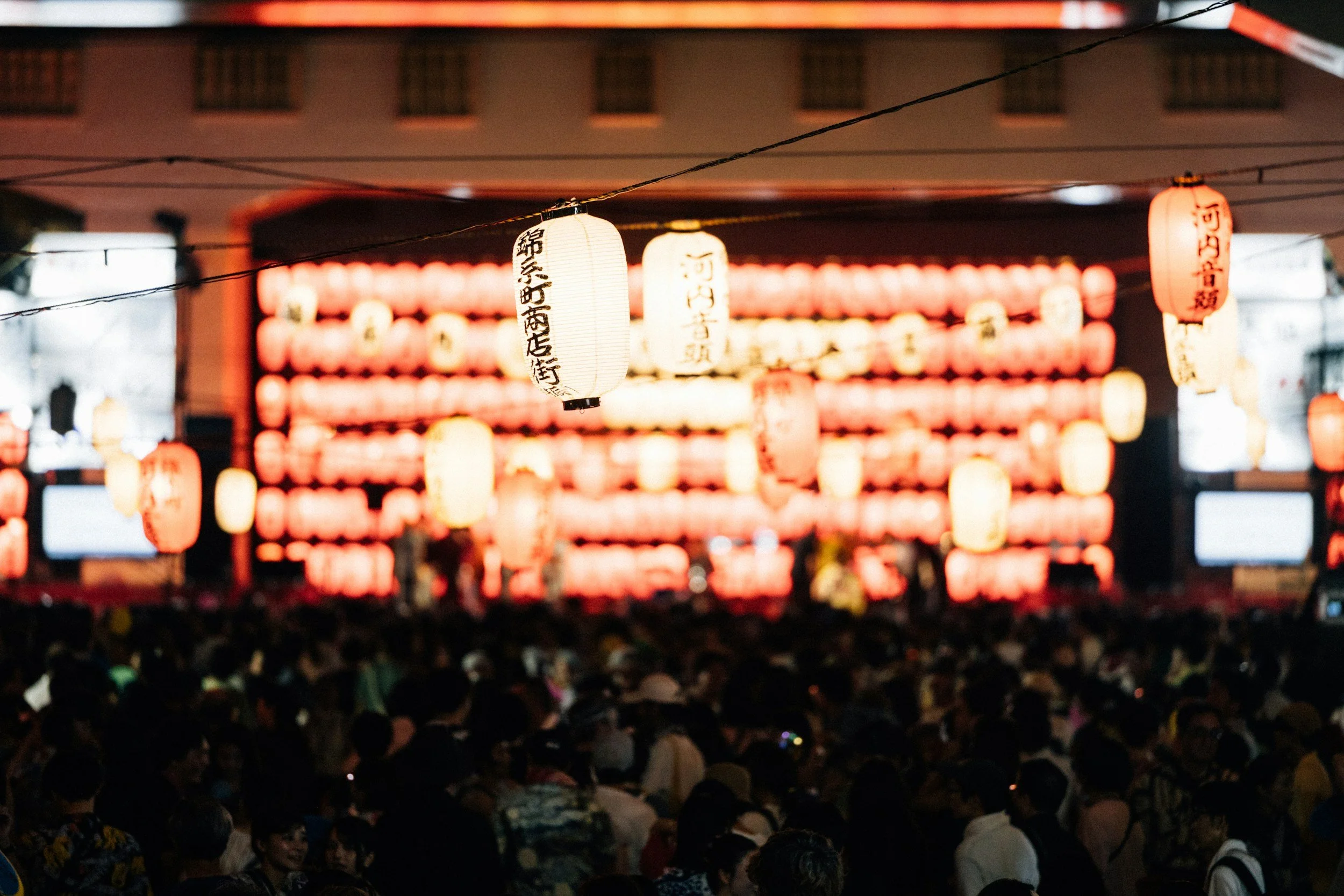
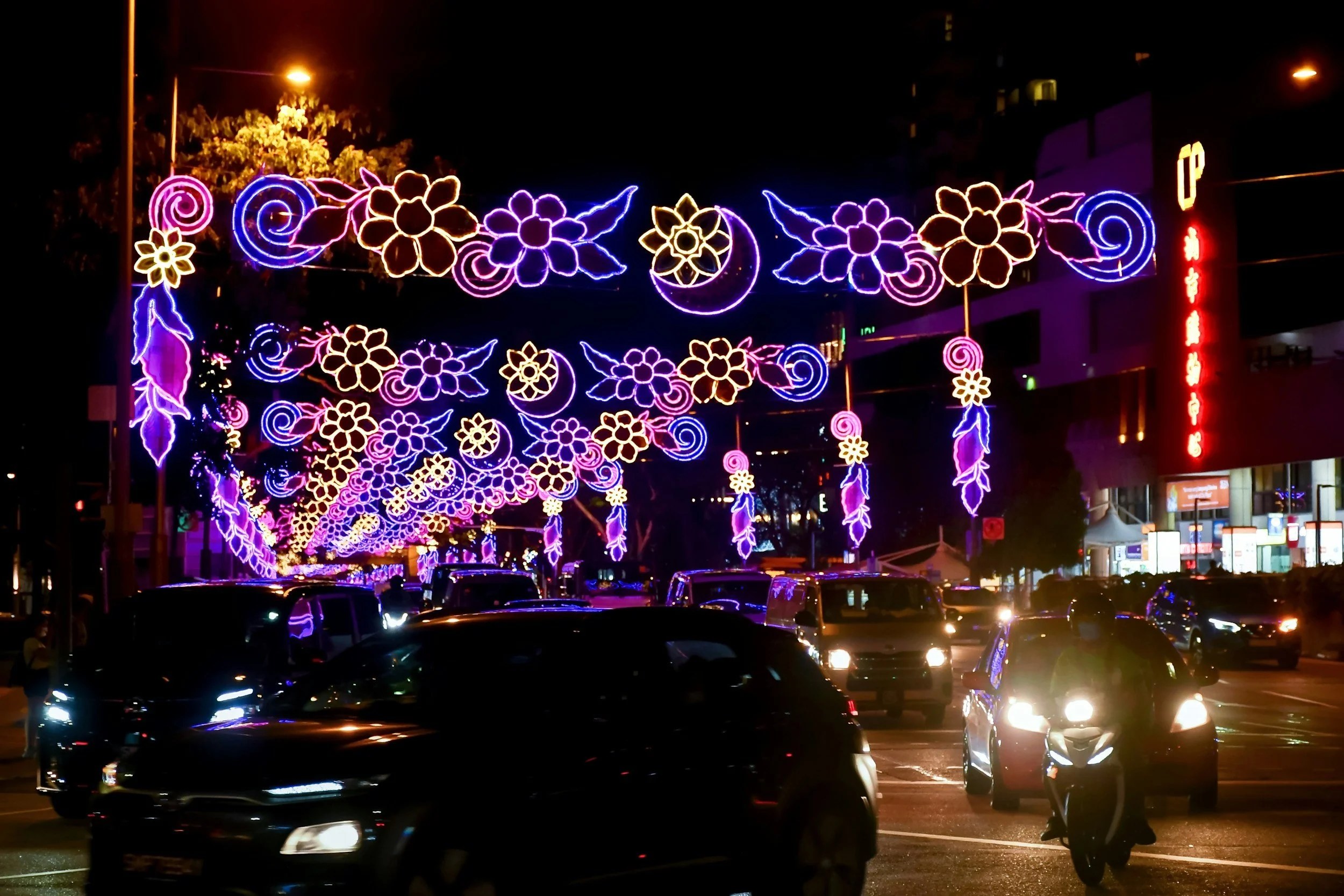
لطالما كانت الاحتفالات العربية مثل رمضان والعيد من أكثر أوقات السنة المفضلة لدي بسبب الطريقة التي تجمع الناس معًا. وأرى شعورًا مشابهًا بروح المجتمع في المهرجانات اليابانية، مثل أوبون أو شوغاتسو (رأس السنة). تستخدم كلتا الثقافتين هذه المناسبات للتأمل، وإعادة التواصل مع الأحباء، وتكريم التقاليد. من المدهش كيف أن روح الوحدة تبدو متشابهة رغم اختلاف السياق
6. A LOVE FOR FESTIVALS AND COMMUNITY
Arab celebrations like Ramadan and Eid have always been my favorite times of the year because of how they bring people together. I see a similar sense of community in Japanese festivals, like Obon or Shogatsu (New Year). Both cultures use these occasions to reflect, reconnect with loved ones, and honor traditions. It’s amazing how, despite the differences in context, the spirit of togetherness feels the same.
٧. احترام عميق للتراث
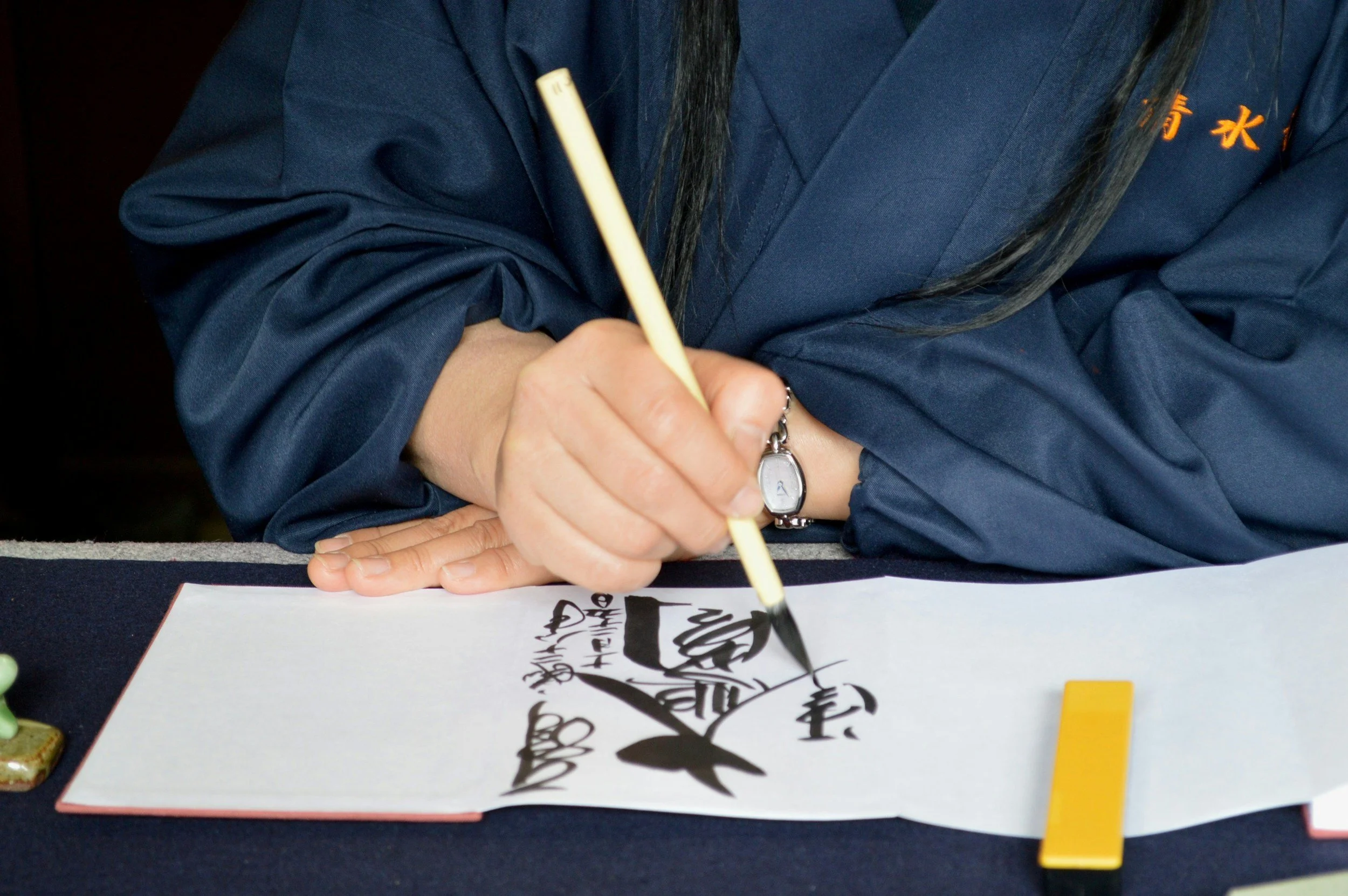
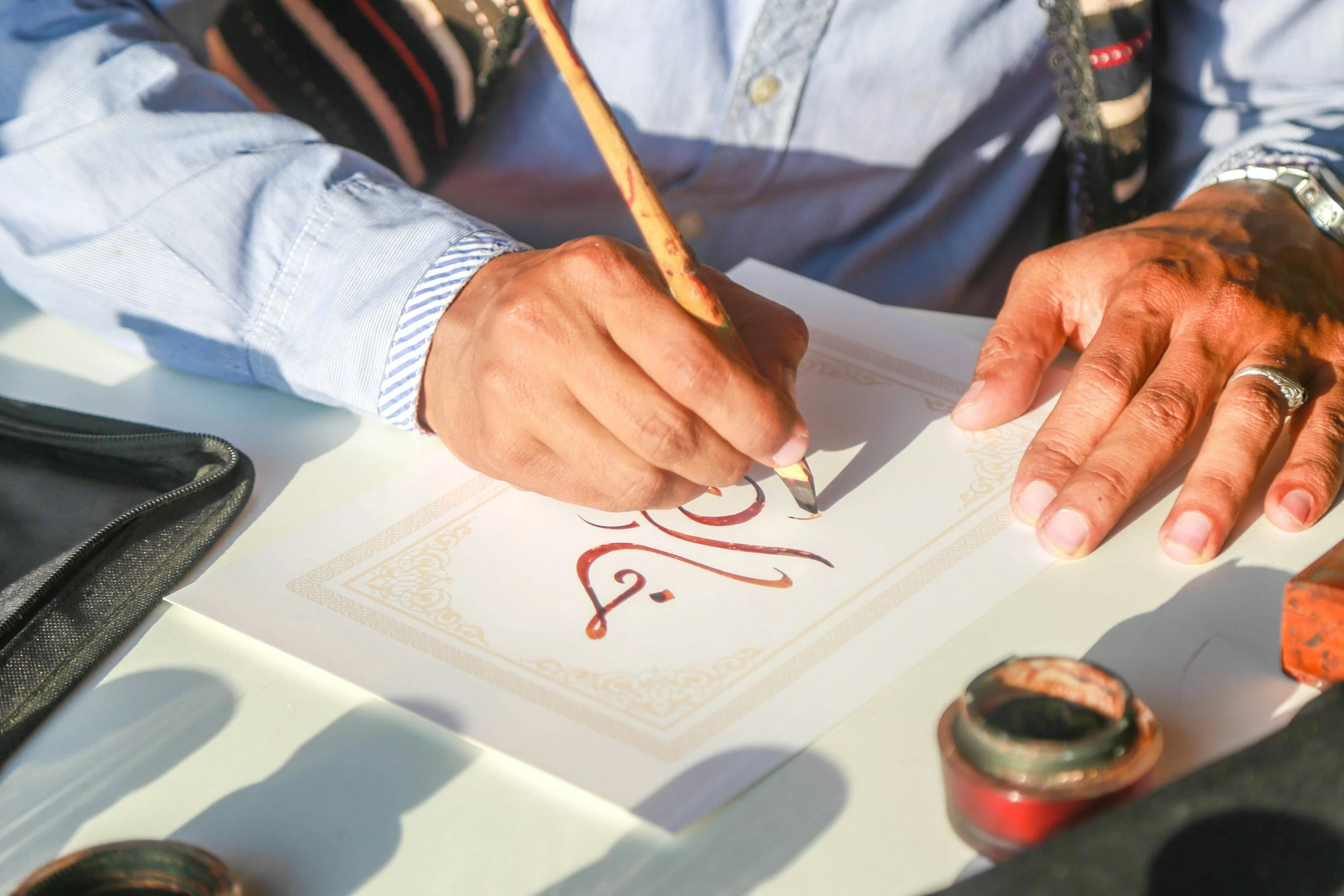
أحد الأمور التي لاحظتها في كلتا الثقافتين هو مدى الجهد المبذول للحفاظ على التقاليد. سواء من خلال الفنون اليابانية مثل الخط ومراسم الشاي أو السرد العربي والشعر، هناك شعور مشترك بالفخر بالحفاظ على التاريخ حيًا. أعتقد أن هذا الاحترام للماضي هو جزء مما يجعل كلتا الثقافتين غنية وفريدة من نوعها
7. A DEEP RESPECT FOR HERITAGE
One thing I’ve noticed in both cultures is how much effort goes into preserving traditions. Whether it’s through Japanese arts like calligraphy and tea ceremonies or Arab storytelling and poetry, there’s a shared pride in keeping history alive. I think this respect for the past is part of what makes both cultures so rich and unique.
٨. الأدب كطريقة حياة
في الثقافة العربية، نستخدم غالبًا لغة مهذبة في محادثاتنا، خاصة عند التحدث مع كبار السن أو في المواقف الرسمية. وعندما لاحظت أسلوب التواصل الياباني، لاحظت نفس التركيز على الأدب وتجنب الصراع. هذا شيء يخلق الانسجام والاحترام في كلتا الثقافتين، وأعتقد شخصيًا أنه قيمة مُقدّرة بأقل من حقها في عالم اليوم السريع الإيقاع
8. POLITENESS AS A WAY OF LIFE
In Arab culture, we often use polite language in our conversations, especially when speaking to someone older or in a formal setting. When I observed Japanese communication, I noticed that same emphasis on politeness and avoiding conflict. It’s something that creates harmony and respect in both cultures, and I personally think it’s an underrated value in today’s fast-paced world.
الخاتمة
كلما تعمقت في معرفة الثقافة اليابانية، شعرت أكثر بالارتباط بها من خلال هذه القيم المشتركة. وعلى الرغم من الاختلافات في الحياة اليومية، أعتقد أن الثقافة العربية واليابانية متحدة بالاحترام العميق للأشخاص والتقاليد والمجتمع. بالنسبة لي، هذا تذكير بأننا مهما اختلفت أصولنا، هناك دائمًا خيوط مشتركة تجمعنا معًا
CONCLUSION
The more I’ve learned about Japanese culture, the more I’ve felt a connection to it through these shared values. Despite the differences in daily life, I believe Arab and Japanese cultures are united by a deep respect for people, traditions, and community. For me, it’s a reminder that no matter where we come from, there are always common threads that bring us together.